

The Essential Role of Hospital Manual Beds
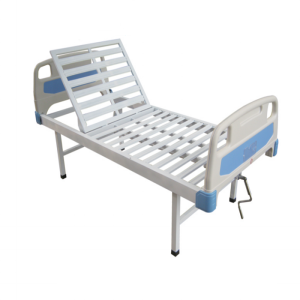
Key Roles and Benefits Hospital Manual Beds
-
Patient Comfort:
Beds can be adjusted to provide comfortable and supportive resting positions, helping to reduce physical discomfort and improve sleep quality.
-
Injury Prevention:
Adjusting the back and leg rests can improve respiratory function, promote circulation, and help prevent the development of pressure sores and edema.
-
Reliability:
Their lack of electronic components makes them less prone to mechanical failures and technical malfunctions, providing a dependable option in any setting, including during power outages.
-
Cost-Effectiveness:
Manual beds are generally more affordable upfront, offering a budget-friendly solution for healthcare facilities and home care environments.
-
Ease of Maintenance:
With fewer mechanical parts, manual beds are straightforward to maintain and less likely to require extensive technical upkeep compared to electric models.
-
Support for Caregivers:
While requiring physical effort, the simple crank system is easy for caregivers to operate, ensuring they can efficiently adjust the bed to meet patient needs.
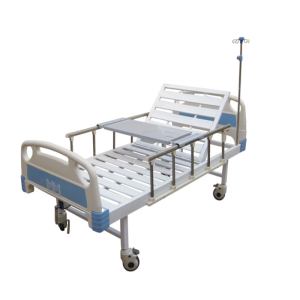
Limitations of Hospital Manual Beds
-
Physical Effort Required:
Operating the hand crank requires physical strength, which can be challenging for both patients and caregivers with limited mobility.
-
Less Frequent Adjustments:
The effort involved may lead to less frequent adjustments, potentially impacting patient comfort over extended periods.
-
Fewer Positioning Options:
Manual beds typically offer fewer, more basic positioning options compared to electric or semi-electric models.
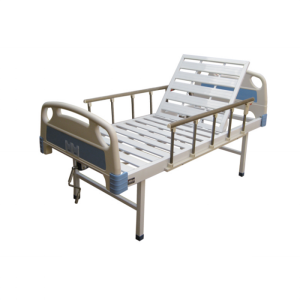
When Manual Beds Are Most Essential
In the healthcare industry, hospital manual beds play an indispensable role in providing both patient comfort and caregiver convenience. Whether for clinical settings, rehabilitation centers, or home care environments, a manual hospital bed offers versatility, affordability, and reliability. Unlike fully electric or semi-electric hospital beds, manual beds rely on simple hand-crank or lever mechanisms, ensuring easy adjustment of bed height, backrest, and leg support without requiring electricity.
Henyuan Medical, a trusted provider of medical equipment, specializes in a wide range of manual hospital beds designed for both clinical efficiency and patient comfort. In this comprehensive guide, we will explore various types, features, and advantages of Henyuan Medical manual beds, while also highlighting related accessories and considerations for purchase.
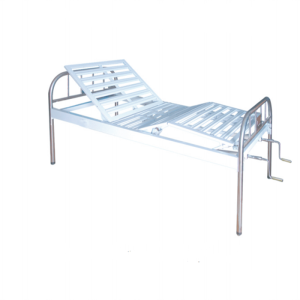
Types of Hospital Manual Beds
Hospital manual beds are a basic, cost-effective option that requires physical effort to operate via hand cranks for height and position adjustments. While there are various specific types like Fowler, Trendelenburg, or bariatric beds, the fundamental operation for any manual bed relies on cranks to raise, lower, or recline the head and foot sections for patient care and comfort.
-
Manual cranks:
These are used to adjust the bed’s overall height and the positioning of the head and foot sections.
-
Adjustment for patient needs:
- General patient care: The head and foot sections can be raised or lowered to position the patient for activities like eating or watching TV.
- Post-operative care: Beds with adjustable head sections, known as Fowler or Semi-Fowler beds, help with patient drainage and comfort after surgery.
- Specific conditions: Some beds are designed for patients with specific needs, like bariatric beds for overweight patients or low beds for fall prevention.
- General patient care: The head and foot sections can be raised or lowered to position the patient for activities like eating or watching TV.
-
Mattress Options:
Most manual beds offer a choice of mattresses, including:
- Spring mattresses: Provide consistent, firm support.
- Foam mattresses: Offer even support and mold to the body.
- Therapeutic mattresses: Help prevent bedsores and distribute pressure from sensitive areas.
- Spring mattresses: Provide consistent, firm support.
1. Standard Manual Hospital Beds
The standard manual hospital bed by Henyuan Medical is ideal for general care settings. These beds typically feature a hand-crank mechanism for height adjustment, allowing caregivers to easily position patients for comfort, treatment, or transfer. Designed to support up to 450 pounds, the beds are both robust and safe. Their 36-inch width ensures sufficient space for patient mobility while maintaining compactness for smaller rooms.
2. Adjustable Manual Beds for Home Care
For home healthcare needs, Henyuan Medical offers manual beds with adjustable backrests and leg supports. These beds allow patients to sit upright, recline, or elevate their legs using hand-crank mechanisms. The beds are compatible with standard mattresses and bed accessories, ensuring a comfortable and safe experience for home care patients.
3. Specialized Manual Beds with Accessories
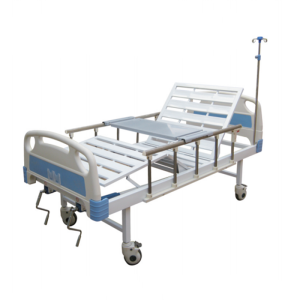
Henyuan Medical also provides manual hospital beds with additional accessories, such as side rails for safety, IV pole compatibility, and overbed tables. These features make the beds suitable for rehabilitation centers, assisted living facilities, and home care environments. Accessories enhance usability and safety without the complexity of electronic controls.
Key Features and Advantages
Hospital manual beds feature hand-crank adjustment systems for height, head, and foot positions, providing cost-effective, durable, and reliable patient care that is independent of electricity, making them a practical choice for budget-conscious settings and areas with unstable power. The key advantages include affordability, their simplicity and reliability in power outages, and ease of movement due to lighter weight compared to electric models. However, the primary disadvantages are the physical effort required for adjustments and fewer available positioning options compared to electric beds.
-
Hand-Crank Adjustments:
Users operate cranks to adjust the bed’s height and the angles of the head and foot sections.
-
Durable Construction:
Manual beds are built with sturdy frames and components, designed for long-term, heavy-duty use.
-
No Electricity Dependence:
They function without power, which is beneficial during power outages.
-
Simplicity:
With fewer complex parts, they offer greater reliability and less potential for mechanical failure over time.
Advantages of Hospital manual beds
-
Cost-Effectiveness:
They are generally the most affordable option, reducing upfront purchase and potential energy expenses.
-
Reliability During Power Outages:
Because they don’t rely on electricity, they remain operational when power is lost.
-
Lightweight and Portable:
Compared to electric models, manual beds are often lighter, making them easier to move.
-
Less Maintenance:
The simpler design typically requires less maintenance over its lifespan.
Disadvantages Hospital manual beds
-
Physical Effort Required:Adjusting the bed necessitates manual effort, which can be difficult for caregivers with limited strength.
-
Limited Adjustability:They typically offer fewer positioning options compared to electric beds, which can affect patient comfort.
-
Slower Adjustments:Changing the bed’s position takes more time and effort than with an electric model.
Cost-Effectiveness
One of the most notable benefits of a manual hospital bed is its affordable pricing range, typically between $250 to $1000 depending on features and customization. Compared to electric beds, manual beds offer cost-efficiency without compromising patient safety or functionality.
Simple and Reliable Operation
The hand-crank or lever system ensures ease of use for caregivers while eliminating dependence on electricity. This feature makes manual hospital beds ideal for environments where power outages may occur or where electricity is not readily available.
Safety and Durability
Henyuan Medical’s beds are designed for long-term durability. With reinforced frames and weight-bearing capacities of up to 450 pounds, patients and caregivers can trust the structural integrity of these beds. Side rails and sturdy frames prevent accidental falls and ensure safety during repositioning.
Compatibility with Accessories
Manual hospital beds are often used in conjunction with medical cart accessories, bed rails, IV stands, and overbed tables. Henyuan Medical ensures that all manual beds are compatible with a wide range of accessories, enhancing the versatility of the bed for various healthcare applications.
How to Choose the Right hospital manual bed
To choose the right manual hospital bed, first, assess the patient’s specific medical needs, size, and weight capacity requirements, consulting with their healthcare provider for recommendations. Then, measure the available room space, ensuring adequate space for bed movement and caregiver access. Finally, compare manual bed features like the number of cranks, the quality of construction, the availability of side rails, and mattress compatibility to select a bed that provides safety, comfort, and support for the user.
Assess Patient Needs
-
Medical Condition:
Understand the patient’s health conditions and how the bed will support them, especially if they require specific positions for comfort or medical reasons.
-
Size and Weight:
Determine the user’s height and weight to ensure the bed’s frame and weight capacity are sufficient and safe. Bariatric options are available for heavier patients.
-
Mobility and Comfort:
Evaluate the user’s ability to transfer in and out of bed, as this may influence the bed’s height and the need for features like side rails.
Consider Bed Features
-
Manual Adjustability:
Manual beds use cranks to adjust the head, foot, and sometimes the overall bed height. Consider how many adjustment points are needed.
-
Mobility:
Look for beds with sturdy, lockable casters to make it easy to move the bed for cleaning or repositioning and secure it in place.
-
Safety Features:
Ensure the bed includes secure side rails for fall protection and a sturdy frame.
-
Mattress Compatibility:
Verify the bed is compatible with the type of mattress needed, such as a pressure-reducing mattress for patients at risk of bedsores.
Evaluate the Environment
-
Space:
Measure the room where the bed will be placed to ensure there is enough space for the bed’s dimensions and for caregivers to move around it comfortably.
-
Maintenance:
Manual beds generally require less maintenance than electric models but still need regular inspection for loose parts and cleaning to ensure longevity.
Involve Healthcare Professionals
- Consult with Providers: Get recommendations from the patient’s healthcare provider to ensure the chosen bed meets their specific medical and comfort needs.
When selecting a hospital manual bed, it is important to consider:
-
Patient needs: Consider mobility limitations, medical conditions, and required support.
-
Bed dimensions and weight capacity: Ensure the bed fits comfortably in the room while supporting the patient’s weight.
-
Adjustability: Check whether the bed allows height, backrest, and leg adjustments.
-
Accessories compatibility: Look for beds that support side rails, IV poles, and overbed tables.
-
Budget: Henyuan Medical provides options across a range of affordable prices without compromising quality.
Why Henyuan Medical Manual Beds Stand Out
1. Reliable and Durable Construction
All Henyuan Medical beds are designed with reinforced steel frames, high-quality hand-crank systems, and robust support structures.
2. Versatility Across Settings
Henyuan Medical manual beds are suitable for home care, rehabilitation centers, hospitals, and nursing homes. Their simplicity ensures minimal maintenance while providing maximum functionality.
3. Wide Selection of Features
Henyuan Medical offers beds with height adjustment, backrest adjustment, and integrated accessories to cater to various patient needs.
4. Affordable and Cost-Effective Solutions
Henyuan Medical prioritizes affordability, ensuring that healthcare facilities and home caregivers can obtain high-quality manual beds without exceeding their budget.
Accessories and Enhancements for Manual Hospital Beds
Enhancing a manual hospital bed with accessories improves patient comfort and caregiver efficiency. Key accessories include:
-
Bed Rails: For patient safety and fall prevention.
-
Overbed Tables: For meals, medication, or activities.
-
IV Poles: For seamless infusion and medical procedures.
-
Mattress Compatibility: Ensure the bed supports foam, gel, or hybrid mattresses for pressure relief.
These additions transform a basic manual bed into a versatile and functional care station, tailored to diverse healthcare environments.
Conclusion: The Ideal Choice for Affordable and Functional Patient Care
In summary, Henyuan Medical hospital manual beds provide an ideal combination of affordability, reliability, and versatility. They are perfect for home care, rehabilitation, and clinical settings, offering easy adjustability, accessory compatibility, and safety features.
By choosing a Henyuan Medical manual hospital bed, healthcare providers and caregivers can ensure:
-
Enhanced patient comfort and safety
-
Cost-effective solutions without sacrificing quality
-
Ease of operation and low maintenance
-
Compatibility with a wide range of accessories for specialized care
Whether for clinical use or home care, Henyuan Medical’s manual hospital beds remain a trusted choice, delivering value, durability, and functionality for every patient.
