

Hospital Room Furniture Sleeper Chair: The Ultimate Guide
In modern healthcare settings, hospital room furniture sleeper chairs play a crucial role in enhancing patient comfort and providing practical solutions for caregivers. Henyuan Medical offers a wide range of sleeper chairs designed for hospital rooms, clinics, and homecare environments. These chairs not only provide a comfortable resting option for patients and visitors but also integrate features that support healthcare staff efficiency.
This comprehensive guide explores Henyuan Medical’s hospital room furniture sleeper chairs, including key features, technical specifications, real-world applications, and expert tips on selecting the right chair for your facility. We also naturally cover related keywords such as recliners, patient room seating, healthcare furniture, medical recliners, adjustable sleeper chairs, and sleep seating, maximizing SEO relevance.
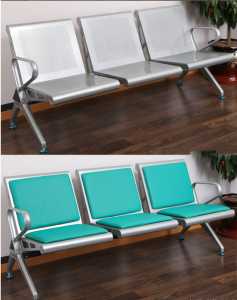
Key Features of Henyuan Medical Sleeper Chairs
Durable Construction
-
Healthcare-Grade Materials:
The chair features durable and functional construction, with high-quality, healthcare-grade upholstery that is easy to clean and sanitize for repeated use.
-
Heavy-Duty Frame:
A sturdy, heavy-duty steel mechanism and frame ensure the chair can withstand frequent use in a busy hospital setting.
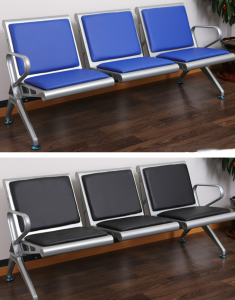
Comfort and Functionality
-
Multi-Position Design:
Many sleeper chairs offer three positions: a comfortable sitting position, a chaise lounge position, and a fully flat sleeping surface.
-
Ergonomic Support:
Supportive cushions and ergonomic design provide comfort for both sitting and sleeping.
-
Easy Conversion:
A key feature is the ability for one person to easily and quickly convert the chair from a seat to a bed.
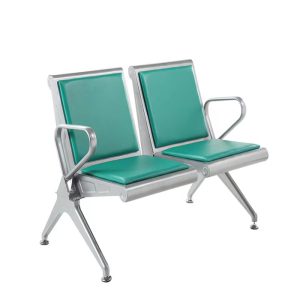
Practical Features
-
Space-Saving Design:
Compact designs are crucial in limited hospital rooms, allowing for easy conversion without taking up additional space.
-
Mobility & Stability:
Some models include casters for easy movement and locking mechanisms to ensure stability when the chair is in the sleeper position.
-
Wall-Saver Design:
A wall-saver design helps prevent damage to hospital walls by keeping the chair a safe distance away.
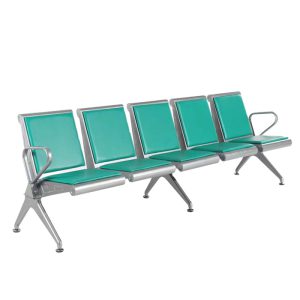
Optional Features
-
USB Ports and Storage:
Some chairs come with additional amenities like built-in USB ports or convenient storage compartments.
-
Field-Replaceable Parts:Arm caps or other components may be designed to be easily replaced in the field, extending the chair’s lifespan.
Henyuan Medical sleeper chairs are designed with both patient comfort and caregiver convenience in mind. Key features include:
-
Adjustable Reclining Mechanism: Supports multiple reclining positions, allowing patients or visitors to rest comfortably.
-
High-Quality Upholstery: Durable, easy-to-clean materials suitable for healthcare environments.
-
Ergonomic Design: Enhances comfort while reducing physical strain for caregivers during patient interaction.
-
Compact Footprint: Fits easily in hospital rooms, patient suites, and homecare settings.
-
Safety Features: Smooth edges, anti-tip design, and supportive armrests.
| Feature | Description |
|---|---|
| Reclining Angle | 90° upright to 180° flat (depending on model) |
| Upholstery Material | PU leather or medical-grade fabric |
| Frame Material | Powder-coated steel or aluminum |
| Weight Capacity | 250–300 lbs |
| Armrests | Ergonomic and padded |
| Footrest | Manual or automatic extension depending on model |
Types of Henyuan Medical Sleeper Chairs
Types by Mechanism & Size
- Pull-Out & Fold-Out Sleepers: These convert to a bed by pulling out a section or folding out cushions, often with no loose parts or mechanisms.
- Single-Step Conversion Sleepers: A simple, one-step action converts the chair to its sleeping position.
- Multi-Use Sleepers: Some models, like the Sleepover Sofa by Global Furniture Group, offer various pull-outs to create twin, double, or queen-sized sleeping surfaces.
Variations and Features
-
Compact & Space-Saving:
Designs like the Dreme sleepover bench are optimized for limited space in patient rooms.
-
Integrated Features:
Some chairs include features like integrated center tables, built-in storage pockets, or USB ports for convenience.
-
Heavy-Duty Options:
High-traffic applications may call for models with sturdy steel frames and joints designed for continuous use in healthcare environments.
Key Characteristics
-
Durability:
Hospital-grade sleepers are built with robust materials, such as steel frames and durable mechanisms, to withstand constant use.
-
Cleanability:
They are made with high-quality, durable, and easy-to-clean materials like antimicrobial fabrics and stain-resistant surfaces to maintain hygiene standards.
-
Comfort & Convenience:Features such as plush padding, multiple recline positions, and easy conversion mechanisms are prioritized for both patients and caregivers.
Henyuan Medical offers a variety of sleeper chairs to suit different hospital room needs:
-
Standard Sleeper Chair: Perfect for patient rooms and general wards, featuring reclining functionality and comfort-oriented padding.
-
Medical Recliner Sleeper Chair: Designed for long-term patient seating, incorporating ergonomic armrests and adjustable backrests.
-
Homecare Sleeper Chair: Compact and lightweight, suitable for in-home patient care or small recovery rooms.
-
Pediatric Sleeper Chair: Smaller footprint and child-friendly design with safety-enhanced features.
-
Luxury Healthcare Sleeper Chair: High-end models with advanced reclining mechanisms and plush upholstery for VIP patient rooms.
Applications of hospital room furniture sleeper chair
Key Applications
-
Family Accompaniment:
The primary application is to provide a comfortable sleeping space for family members or caregivers to stay overnight in the patient’s room, enhancing the overall patient experience and family-centered care model.
-
Space-Saving Solution:
In acute care or long-term care settings where space is limited, a sleeper chair offers both seating and a sleeping surface without requiring extra wall space for a separate bed.
-
Patient and Visitor Comfort:
By offering a dedicated, comfortable place for a family member to stay, the chair can improve the patient’s comfort and emotional well-being by ensuring they have support nearby.
-
Versatility in Patient Rooms:
These chairs are designed to meet evolving needs, functioning as a comfortable chair for patients or visitors and quickly transforming into a bed when needed.
Common Features and Benefits
-
Easy Conversion:
Sleeper chairs are engineered with simple pull-out or fold-out mechanisms to transition from a seated position to a sleeping surface.
-
Compact Design:
When not in use as a bed, the chair takes up minimal space, making it ideal for busy hospital environments.
-
Integrated Amenities:
Many models include features like integrated USB ports for charging devices, storage compartments for personal items or linens, and a stable base with casters for mobility.
-
Durable Construction:Built with durable materials like steel frames and robust mechanisms, these chairs are designed to withstand the constant use in a 24/7 healthcare setting.
Henyuan Medical sleeper chairs are widely used across healthcare facilities:
-
Hospitals and Clinics: Installed in patient rooms, recovery wards, and waiting areas to provide comfortable seating for patients, family members, and staff.
-
Homecare Environments: Compact models are ideal for home recovery, allowing caregivers to efficiently monitor patients while offering restful seating.
-
Pediatric Units: Child-friendly sleeper chairs ensure safety and comfort for young patients.
-
Specialized Care Areas: Suitable for oncology, dialysis, and palliative care units where patient comfort is critical.
Case Study:
A mid-sized hospital in California replaced older patient room seating with Henyuan Medical sleeper chairs. Nurses reported significant improvements in patient comfort, ease of patient transfer, and staff efficiency. The multi-position reclining mechanism allowed family members to rest comfortably during long visits, demonstrating the value of high-quality hospital room furniture.
Technical Considerations When Choosing hospital room furniture sleeper chair
Safety and ergonomics
- Structural stability and weight capacity: A sturdy frame, typically reinforced steel or aluminum, is essential to accommodate heavy use and prevent tipping. All chairs must meet safety standards, and bariatric options should have a higher weight capacity (e.g., 750 lbs. or more) for heavier patients and guests. A five-pedestal base with locking casters is recommended for stability and safety during transfers.
- Patient and caregiver ergonomics: The chair should support caregivers by minimizing the need for bending and twisting. Features like removable arm caps and fold-down armrests give nurses easier access to patients. The seat height should facilitate easy sitting and standing for patients and the elderly.
- Injury prevention: Sleeper chairs should have a “wall-saver” design to prevent damage to hospital walls when reclining. To protect patients, avoid designs with sharp edges or pinch points, especially in furniture with moving parts.
Infection control and sanitation
- Non-porous, fluid-resistant materials: For upholstery, prioritize materials that are non-porous and easy to clean and disinfect, such as medical-grade vinyl, polyurethane, and certain treated fabrics like Crypton. These prevent the absorption of liquids and bacterial growth.
- Seamless and cleanable design: Seamless finishes, heat-sealed seams, and rounded corners make it more difficult for bacteria and other pathogens to collect. A clean-out space between the seat and backrest is vital for easy, thorough cleaning.
- Cleaning compatibility: Materials must withstand frequent cleaning with hospital-grade disinfectants without degrading over time.
Durability and maintenance
- Frame construction: A heavy-duty frame with metal-to-metal connections is the most durable construction.
- Commercial-grade mechanisms: Opt for chairs with high-quality mechanisms for reclining and pulling out the bed, as these will be used constantly. Some manufacturers offer extended warranties on components like the frame, arms, and foam.
- Replaceable parts: Choose a model with easily replaceable parts, such as arm caps, casters, and cushions, to extend its functional lifespan.
- Testing and standards: Verify certifications like ANSI/BIFMA, which indicate the furniture has met commercial-grade standards for safety and durability.
Space and design efficiency
- Compact footprint: In small patient rooms, chairs with a compact footprint in their upright position are ideal for maximizing limited space.
- Wall-saving design: This is a crucial feature that allows the chair to recline without scraping against the wall.
- Storage solutions: Integrated storage for personal belongings, such as side tables, compartments, or drawers, helps keep the room organized and clutter-free.
User comfort and functionality
- Adjustability and support: Look for adjustable features such as multi-position recline, adjustable headrests, and lumbar support to provide maximum comfort to guests.
- Premium cushioning: High-density, resilient cushioning like polyurethane foam or spring coils provides comfortable and supportive seating and sleeping surfaces that won’t break down quickly.
- Convenience features: Add-ons such as USB charging ports, cup holders, or built-in massage options can enhance the user experience for guests.
When selecting hospital room furniture sleeper chairs, consider these factors:
| Parameter | Recommendation |
|---|---|
| Reclining Function | Ensure smooth transition between upright and flat positions for patient comfort |
| Upholstery | Choose materials resistant to spills, easy to clean, and hypoallergenic |
| Frame Durability | Steel or aluminum frames with high load capacity |
| Safety Features | Anti-tip design, padded armrests, and stable base |
| Size and Footprint | Ensure chairs fit within room dimensions without obstructing movement |
| Weight Capacity | Standard 250–300 lbs; consider higher capacity for bariatric needs |
| Mobility | Some chairs with lockable wheels for easier repositioning |
Buying Guide for Hospital Room Furniture Sleeper Chairs
Key Factors to Consider
-
Durability and Construction:
- Sturdy Frame: Choose a chair with a strong, durable frame built for heavy use in a hospital setting.
- High-Quality Upholstery: Look for upholstery designed for durability and frequent cleaning, resistant to spills and stains.
- Sturdy Frame: Choose a chair with a strong, durable frame built for heavy use in a hospital setting.
-
Cleanliness and Hygiene:
- Ease of Sanitization: Select furniture that is easy to wipe down and sanitize to prevent the spread of infections.
- Water Resistance: A water-resistant material is crucial to manage spills and maintain cleanliness.
- Ease of Sanitization: Select furniture that is easy to wipe down and sanitize to prevent the spread of infections.
-
Comfort and Ergonomics:
- Comfortable Mattress: Evaluate the mattress type; memory foam provides pressure relief, while innerspring offers a firmer, more traditional feel.
- Adjustable Features: Some chairs offer features like adjustable headrests, lumbar support, or reclining backrests for personalized comfort.
- Comfortable Mattress: Evaluate the mattress type; memory foam provides pressure relief, while innerspring offers a firmer, more traditional feel.
-
Functionality and Features:
- Space and Conversion: Measure the available space, including the full-length area needed when converted to a bed.
- Easy Conversion: The mechanism to convert the chair to a bed should be smooth and easy to use.
- Convenience Features: Consider options like built-in USB ports for charging devices, or drawers for storage.
- Space and Conversion: Measure the available space, including the full-length area needed when converted to a bed.
-
Accessibility and Weight Capacity:
- All-Abilities Design: Ensure the chair accommodates people of various sizes and abilities.
- Weight Limit: Look for chairs with a significant weight capacity, with higher limits available for bariatric users.
- All-Abilities Design: Ensure the chair accommodates people of various sizes and abilities.
Additional Tips
-
Measure Your Space:
Always measure the room where the sleeper chair will be placed to ensure it fits without blocking walkways or equipment.
-
Read Reviews:
Check customer feedback and reviews to understand the comfort and durability of different models.
-
Check the Warranty:Look for a product with a good warranty to protect your investment, according to SW Med-Source.
To select the right sleeper chair for your healthcare facility, follow these tips:
-
Assess Room Space: Measure room dimensions and consider door clearance to ensure proper fit.
-
Identify Patient Needs: Consider mobility, age, and frequency of use (short-term vs. long-term seating).
-
Check Features: Look for reclining angles, armrest comfort, footrest extension, and mattress thickness.
-
Consider Caregiver Convenience: Chairs that are easy to adjust and clean reduce staff workload.
-
Compare Models: Henyuan Medical provides standard, recliner, pediatric, homecare, and luxury models to meet diverse needs.
Conclusion
Henyuan Medical hospital room furniture sleeper chairs offer a combination of comfort, safety, and practicality. From general patient rooms to specialized care areas, these chairs enhance patient experience while supporting caregiver efficiency. By selecting chairs that fit patient needs, room space, and facility requirements, healthcare providers can ensure a safer, more comfortable, and functional environment.
For hospitals, clinics, and homecare environments, Henyuan Medical sleeper chairs represent a smart investment in quality, durability, and patient-centered design.
