

Enhancing Patient Care with the Right Hospital Table Over Bed
When it comes to patient comfort, convenience, and recovery, a high-quality hospital table over bed plays a pivotal role. These tables are not only functional furniture but essential healthcare accessories that allow patients to eat, work, or use medical devices safely while in bed. At Henyuan Medical, we specialize in adjustable overbed tables, tilt-top tables, and rolling overbed solutions, designed for hospitals, clinics, and home care environments.
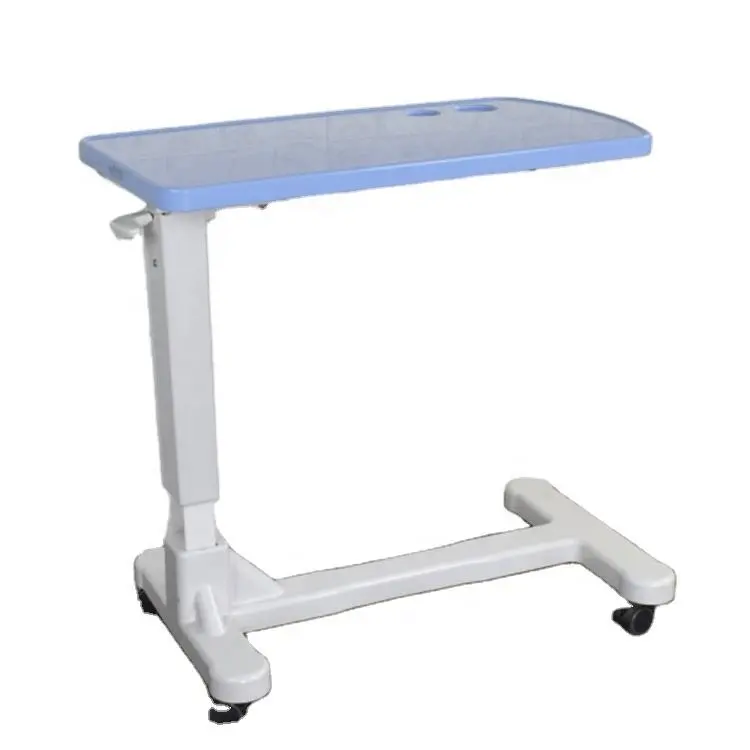
Types of Hospital Tables Over Bed
-
Tilt-Top Tables:These are designed with a surface that can tilt at an angle, providing comfort for reading, writing, or working on a laptop.
-
Non-Tilt Tables:These tables have a flat, stable surface, suitable for eating, playing games, or placing items.
-
Auto-Touch Tables:These models allow for easy height adjustment with a light touch, making them convenient to use.
-
Heavy-Duty/Bariatric Tables:Built with stronger frames and larger surfaces, these tables are designed to support heavier weights, up to 500 pounds.
-
Dual-Surface Trays:Some advanced tables feature two surfaces, allowing for more usable space without taking up extra room.
Key Considerations When Choosing an Overbed Table
-
Height Adjustability:Most tables are height-adjustable, using mechanisms like spring-loaded systems or twist knobs, to accommodate different users and activities.
-
Portability:Look for tables with smooth-rolling, lockable casters for easy movement around the room or home.
-
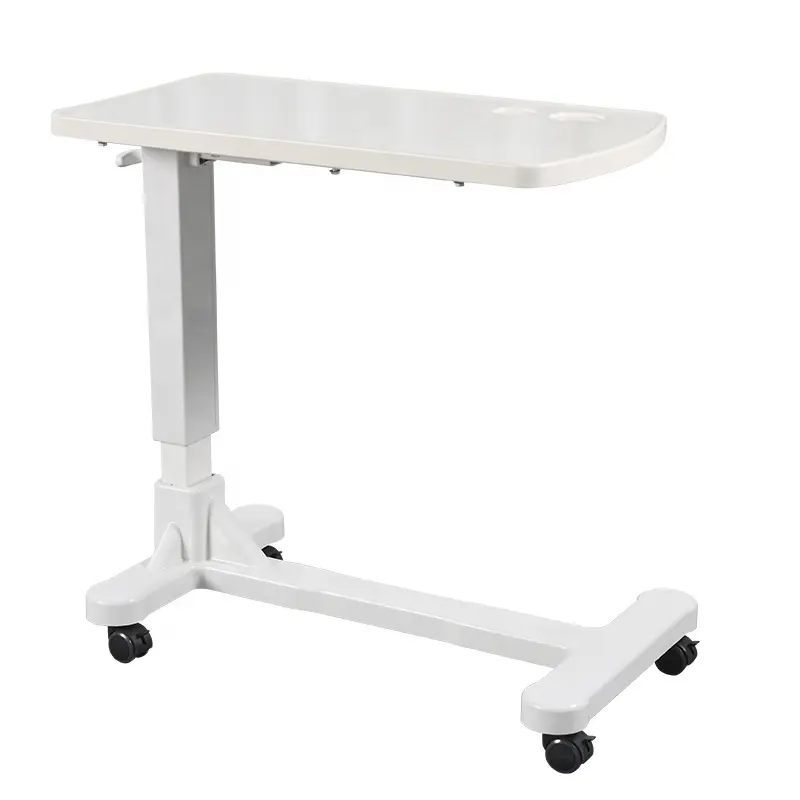
Tabletop Base:Bases come in different shapes—H-, U-, or C-shaped—and it’s important to choose one that fits comfortably under your specific hospital bed.
-
Weight Capacity:Standard tables often hold up to 200 pounds, while bariatric models are needed for higher weight capacities.
-
Durability:Look for heavy-gauge, welded steel construction for durability.
-
Additional Features:Some models may include convenient features like cupholders, spill guards, vanity kits, or drawers for storing small items.
1. Adjustable Overbed Tables
Adjustable overbed tables provide flexibility in height and positioning, ensuring they fit patients of all sizes and bed types.
-
Features: Height-adjustable legs, stable base, lightweight yet durable materials, lockable casters for safety.
-
Use Case: Ideal for patients in general hospital wards or home care, allowing them to eat, read, or perform minor activities while staying in bed.
2. Tilt-Top Overbed Tables
Tilt-top tables allow the surface to angle for better ergonomics, perfect for reading, laptop use, or eating.
-
Features: Tiltable tabletop, anti-slip surface, adjustable tilt angle, sturdy construction.
-
Use Case: Frequently used in rehabilitation units or for patients with limited mobility to reduce neck and back strain.
3. Rolling Overbed Tables
Rolling overbed tables combine portability with functionality, allowing caregivers to move the table easily between beds.
-
Features: Locking caster wheels, robust frame, smooth sliding, universal fit for most hospital beds.
-
Use Case: In busy hospital units or long-term care facilities, rolling tables improve workflow efficiency and patient satisfaction.
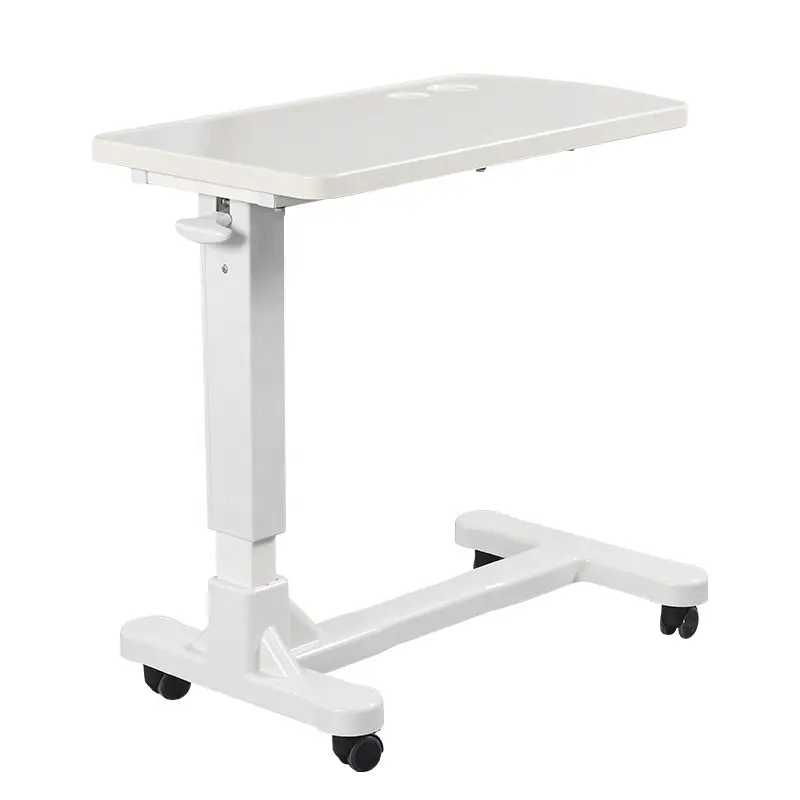
Technical Specifications Table
| Table Type | Height Range | Top Surface Size | Weight Capacity | Special Features |
|---|---|---|---|---|
| Adjustable Overbed Table | 28–42 inches | 24 x 18 inches | 50 lbs | Lockable casters, lightweight aluminum frame |
| Tilt-Top Overbed Table | 28–42 inches | 24 x 18 inches | 45 lbs | Adjustable tilt, anti-slip surface |
| Rolling Overbed Table | 28–42 inches | 22 x 18 inches | 50 lbs | Smooth sliding, heavy-duty casters |
| Side-Angle / C-Table | 26–40 inches | 20 x 16 inches | 40 lbs | Fits bedside frame, ergonomic positioning |
Applications of Hospital Tables Over Bed
For Patients
-
Dining and Eating:Overbed tables provide a convenient, stable surface for food trays and beverages, allowing patients to eat comfortably without leaving their beds.
-
Personal Care:They can be used as a surface for personal hygiene tasks, holding items like tissues, medications, and personal care products.
-
Activities:Patients can use the table for hobbies and leisure, such as reading books, using tablets for communication or entertainment, or engaging in crafts like knitting, painting, or drawing.
-
Mobility and Therapy:The table can serve as a support for physical therapy exercises, helping patients with range of motion, balance, strength, and coordination.
For Healthcare Professionals and Facilities
-
Medical Supplies and Devices:Healthcare workers can place medications, medical instruments, and essential supplies within easy reach for treatment and monitoring.
-
Equipment Support:The table provides a surface to hold crucial medical devices and equipment, such as monitors, keeping them within reach for staff.
-
Enhanced Patient Care:By reducing patient movement, the tables create a more comfortable and accessible environment, which is crucial for patient recovery and improving the overall care experience.
General Benefits
-
Ergonomics:The adjustable height and position of overbed tables improve ergonomics by providing a suitable surface for various tasks, reducing strain for both patients and caregivers.
-
Accessibility:They offer a stable and accessible surface for individuals with limited mobility, lessening the need for constant assistance from others.
-
Versatility:The adjustable and mobile nature of overbed tables makes them suitable for a wide range of users and situations, from hospital recovery to home care.
-
Hospital Wards: Henyuan Medical adjustable overbed tables improve patient independence by allowing meals, reading, or laptop use without leaving bed.
-
Rehabilitation Units: Tilt-top tables are used for physiotherapy patients who need adjustable angles to perform exercises safely.
-
Home Care: Rolling overbed tables are perfect for elderly patients at home, offering convenience, stability, and mobility.
-
Specialty Clinics: C-tables or side-angle overbed tables fit in tight spaces, such as ICU or dialysis units, providing ergonomic support without obstructing caregivers.
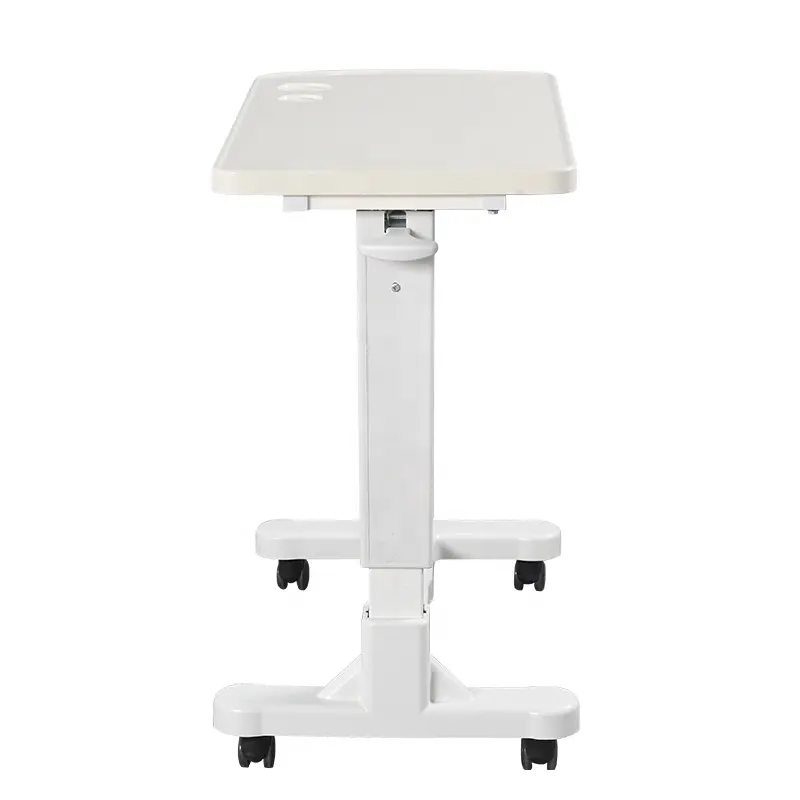
How to Choose the Right Overbed Table
Key Features to Consider
-
Adjustable Height:A height-adjustable mechanism is crucial to ensure the table can accommodate different patient needs and bed heights, from sitting up to lying down.
-
Tabletop Size & Surface:Choose a tabletop large enough for meals, reading, or holding medical supplies. A sturdy, water-resistant, and non-sagging surface is ideal.
-
Weight Capacity:Ensure the table can support the weight of the items you plan to place on it, especially if you’ll be using it for medical equipment or heavier supplies.
-
Mobility:Look for wheels that roll smoothly for easy movement but also have a secure locking mechanism to prevent the table from rolling away unintentionally.
-
Stability & Durability:The frame should be made from durable materials like steel or aluminum for long-lasting use.
-
Patient Needs:Consider the specific needs of the patient, such as the need for a tiltable surface for reading or working on a laptop, which can enhance comfort and independence.
-
Ease of Use:The table should be easy to adjust and move, providing convenience for both the patient and caregiver.
Steps to Choosing the Right Table
-
Assess the User’s Needs:Determine what the table will be primarily used for, such as eating, working, reading, or holding medication and water.
-
Measure Bed and Space:Measure the height of the bed and the available space around it to ensure the table will fit properly and be able to slide over the bed.
-
Check Material and Durability:Select a table made from high-quality, durable materials that are resistant to water and scratches for long-term use.
-
Prioritize Wheels:Opt for tables with smooth-rolling casters and a reliable locking system for safe and easy positioning.
-
Consider Additional Features:Look for features like a tilting surface or a split-top design that can improve functionality for specific uses.
-
Assess Patient Needs: Determine if the patient requires tilting, height adjustment, or portability.
-
Check Compatibility with Bed Types: Ensure the table fits standard, bariatric, or adjustable hospital beds.
-
Material and Durability: Choose lightweight but strong materials; Henyuan Medical tables are made of corrosion-resistant metal or high-grade wood laminate.
-
Safety Features: Look for lockable casters, anti-slip tabletops, and rounded edges for injury prevention.
-
Functionality: Consider accessories like side trays, cup holders, or laptop stands for added convenience.
Additional Considerations
-
Hygiene: Tables should be easy to clean and resistant to spills, making them suitable for hospital and home use.
-
Versatility: Multi-functional tables can double as bedside storage or support surfaces for medical devices.
-
Aesthetic and Design: Henyuan Medical designs tables to blend with healthcare environments, maintaining a professional look while being fully functional.
Summary
Investing in a hospital table over bed is an investment in patient comfort, safety, and efficiency. From adjustable height tables to tilt-top and rolling overbed tables, Henyuan Medical provides durable, functional, and ergonomic solutions for every healthcare setting.
By selecting the right table, caregivers can improve patient quality of life, reduce strain, and enhance overall workflow. Whether in hospitals, clinics, or home care, Henyuan Medical overbed tables ensure reliability, convenience, and maximum support for patients.
? Call to Action
Looking for high-quality hospital tables over bed? Contact Henyuan Medical today to explore our full range of adjustable, tilt, and rolling overbed solutions for hospitals, clinics, and home care.
