

How to Connect Hospital Bed Controller Cord: Complete Setup and Wiring Guide
Connecting a hospital bed controller cord might seem like a small step in assembling or maintaining an electric hospital bed, but it plays a critical role in ensuring smooth operation, patient comfort, and user safety. Whether you’re setting up a new bed or troubleshooting an existing one, understanding the correct controller wiring, connector types, and safety precautions is essential.
In this guide, HENYUAN Medical, a leading manufacturer of medical beds and accessories, provides a detailed explanation of how to connect hospital bed controller cords, covering every important aspect from plug types and pin configurations to motor cable routing and common wiring issues.
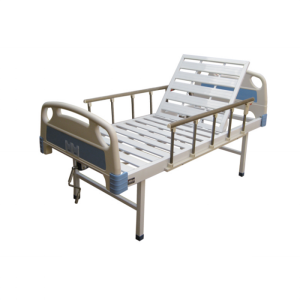
1. Understanding the Hospital Bed Control System
Key features of modern bed control systems
- Real-time bed tracking: Provides a dynamic, color-coded dashboard showing the status of every bed in the hospital, including occupied, vacant, pending cleaning, reserved, and under maintenance.
- Workflow automation: Automatically sends notifications to housekeeping and transport teams when a patient is discharged, triggering the cleaning and bed turnover process.
- Integration with hospital systems: Connects with Electronic Health Records (EHR) and Admission, Discharge, and Transfer (ADT) systems to provide a central source of information and reduce manual data entry.
- Predictive analytics: Analyzes patient flow patterns and historical data to forecast future bed demand, helping to plan for surges in patient volume from the Emergency Department (ED) or Operating Room (OR).
- Patient and resource matching: Uses patient characteristics, such as diagnosis or required level of care (e.g., intensive care, telemetry), to match them to the most suitable available bed.
- Real-time location systems (RTLS): Uses Bluetooth Low Energy (BLE) or RFID tags attached to beds to provide live updates on their location and status, eliminating the need for manual tracking.
- Reporting and analysis: Generates detailed reports on metrics like bed occupancy rates, patient wait times, and turnover efficiency to help administrators make data-driven decisions.
How the system works
- Patient admission: Patient data is entered into the system via the EHR or ADT system.
- Ideal bed matching: The system analyzes the patient’s needs and identifies the optimal bed based on medical requirements and availability.
- Transport request: A transport request is automatically sent to the appropriate staff member to move the patient to their assigned bed.
- Discharge initiated: When a patient is discharged, the system automatically marks the bed’s status as “dirty” and sends a notification to the Environmental Services (EVS) team.
- Bed turnover: The EVS team uses a mobile device to update the bed’s status as they clean it. When the task is complete, the bed is automatically marked as “available”.
- Transfer to new patient: The newly available bed is immediately visible to all relevant staff for the next patient.
Challenges of manual bed control
- Communication delays: Hospital staff must make numerous phone calls or rely on outdated whiteboards to check bed status, leading to miscommunication and wasted time.
- Patient flow bottlenecks: Delays in bed turnover create backups, particularly in the emergency department, where patients may board for hours or be forced to wait in hallways.
- Increased costs: Inefficient bed utilization can lead to missed revenue opportunities, increased length of stay, and higher operating costs from issues like unnecessary equipment rentals.
- Staff frustration and burnout: The manual coordination required for bed assignments adds to the administrative burden on nurses and other staff, distracting them from direct patient care.
- Poor visibility: Without real-time tracking, it is difficult to know the exact location or status of every bed, causing staff to waste time searching for equipment.
Benefits of automated bed control systems
- Improved patient flow: Reduces patient wait times in the emergency department and speeds up transfers, leading to a smoother experience.
- Increased staff efficiency: Automates manual tasks and provides clear communication, allowing staff to focus more on patient care.
- Better resource utilization: Ensures beds are used as efficiently as possible, which can prevent hospitals from needing to purchase or rent extra equipment.
- Data-driven decisions: Powerful reporting provides administrators with actionable insights to optimize operations and improve future planning.
- Enhanced patient safety: Helps ensure that patients are placed in the most appropriate and safe environment for their specific needs.
- Reduced operating costs: By improving bed utilization and turnover time, hospitals can reduce costs associated with delays and inefficiencies.
Every electric hospital bed consists of three main electronic components:
| Component | Description | Function |
|---|---|---|
| Control Box (Main Unit) | The central hub of the system | Connects and coordinates all input/output signals |
| Actuators / Motors | Typically 2–3 linear actuators | Adjusts head, foot, and height positions |
| Controller (Pendant Remote) | Wired or wireless handheld remote | Sends signals to the control box through a cord |
The controller cord serves as the communication link between the remote and the control box. When properly connected, it allows you to raise or lower the bed sections effortlessly.
2. Identifying the Right Controller Cord
Before connecting, verify the type of cord and connector your bed uses. Most hospital beds, including HENYUAN Medical models, are equipped with one of the following:
| Connector Type | Description | Typical Use |
|---|---|---|
| 4-pin DIN Connector | Circular plug with 4 pins | Basic electric beds with 2 actuators |
| 6-pin Connector | Slightly larger with 6 metal pins | Advanced hospital beds with additional functions |
| RJ45 (Ethernet-style) | Square modular connector | Smart or digital control systems |
Tip: Never force a connector into place. If it doesn’t fit easily, check the alignment and pin shape. Forcing it may bend the pins or damage the socket.
3. Step-by-Step: How to Connect the Controller Cord
Follow these instructions carefully to connect the hospital bed controller cord correctly:
-
Unplug the power supply to prevent electrical shock.
-
Locate the control box mounted under the bed frame.
-
Identify the pendant port—usually labeled “Handset,” “Controller,” or with a remote icon.
-
Align the pins of the controller cord with the socket.
-
Push the connector straight in until it clicks or seats firmly.
-
Route the cable along the frame using cable securing straps to prevent tangling.
-
Reconnect power and test each function (head up, foot down, height adjust).
4. Wiring Diagrams and Cable Routing
Proper cable management prevents damage and ensures long-term reliability. Below is a simplified wiring diagram used in most HENYUAN Medical electric hospital beds:
| Cable | Color Code | Connected To | Function |
|---|---|---|---|
| Controller Cord | Black | Control Box | Sends user signals |
| Actuator Cable 1 | Blue | Back Motor | Adjusts backrest angle |
| Actuator Cable 2 | White | Leg Motor | Adjusts leg height |
| Actuator Cable 3 | Grey | Lift Motor | Controls bed height |
Safety Note: Always ensure cords are routed away from moving parts to avoid entanglement or cutting hazards during bed motion.
5. Troubleshooting Common Connection Issues
Even a simple cord connection can encounter problems if not handled correctly. Below are common issues and solutions:
| Problem | Possible Cause | Solution |
|---|---|---|
| Controller not responding | Loose connector | Unplug and reinsert cord firmly |
| Bed moves only in one direction | Damaged wire or pin | Inspect pins, replace controller cord |
| Bed stops mid-movement | Faulty control box | Check power and replace control box if necessary |
| Controller lights flicker | Short circuit or bent pins | Inspect connector ends and realign |
| Cable heating up | Incorrect voltage or short | Disconnect immediately and contact service |
If problems persist, contact HENYUAN Medical technical support for diagnostic guidance.
6. Real-World Example: Connecting a HENYUAN Medical Adjustable Bed
In a recent installation at a long-term care facility, the maintenance team received a HENYUAN Medical Electric Hospital Bed with a six-pin controller system. After unboxing:
-
The team verified all parts (control box, actuator, pendant remote).
-
The controller cord was connected to the labeled socket on the control box.
-
Each actuator was tested individually for head and leg adjustments.
-
Cable ties were used to secure the routing under the bed.
The process took less than 15 minutes and ensured full motor synchronization without errors—demonstrating that correct controller cord connection simplifies setup and enhances reliability.
7. Maintenance and Safety Tips
-
Regular Inspection: Check cables monthly for wear or cracks.
-
Secure Routing: Always use the included cable straps to prevent entanglement.
-
Avoid Stretching: Allow some slack in cords to reduce tension during bed motion.
-
Disconnect Before Cleaning: Always unplug the controller before wiping down the bed.
-
Replace Damaged Parts: Never attempt to repair frayed wires manually; use official HENYUAN Medical replacements.
8. Buying Guide: Choosing the Right Controller Cord and Accessories
When replacing or upgrading your hospital bed controller cord, consider the following parameters:
| Specification | Recommendation | Description |
|---|---|---|
| Pin Type | 4-pin or 6-pin (match bed model) | Verify with product manual |
| Cord Length | 2.5m–3m | Allows flexible use and safety clearance |
| Plug Material | Reinforced ABS with metal locking ring | Durable and heat-resistant |
| Compatibility | HENYUAN Medical Bed Models | Ensure same model series |
| Certifications | CE, ISO13485 | Compliance ensures electrical safety |
Choosing original HENYUAN Medical controller cords guarantees compatibility, longevity, and safety certification compliance.
9. Professional Installation Support
For hospitals, nursing homes, or home-care facilities, HENYUAN Medical offers professional installation and wiring inspection services. Certified technicians ensure correct connection of actuator cables, control box wiring, and controller cords to meet medical safety standards.
If your facility uses multiple bed types, our team can provide a universal pendant compatibility chart to simplify maintenance.
10. Final Thoughts
Learning how to connect a hospital bed controller cord properly is essential for ensuring both patient comfort and operational safety. A securely connected controller cord allows seamless control over backrest, leg, and height adjustments—improving the quality of care.
Whether you’re setting up a new HENYUAN Medical hospital bed or maintaining an existing one, follow the steps outlined in this guide to ensure correct wiring, stable performance, and long-term reliability.
