

?️ Introduction
Reclining a hospital bed is essential for patient comfort, recovery, and care. Whether you’re using a manual or electric bed, understanding how to adjust the head, foot, and height positions can significantly impact the patient’s well-being. This guide provides detailed instructions on how to recline a hospital bed, focusing on key features and adjustments.
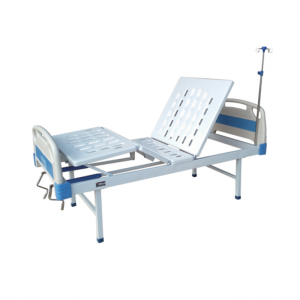
? Manual Adjustment Methods
1. Using the Emergency Manual Hand Crank
In situations where the bed’s electric functions are unavailable, manual adjustment is crucial. Locate the emergency manual hand crank at the foot of the bed, usually beneath the mattress and on top of the springs. Insert the notched end of the crank into the appropriate connection point. To lower the bed, turn the crank clockwise; to raise it, turn counterclockwise. This method allows for adjustments to the head, foot, and overall bed height.
2. Adjusting Bed Rails
Bed rails can be adjusted using pins or hooks, depending on the bed’s design. For rails with pins, pull the pins from the railing to adjust. For rails with hooks, pull out the hooks to lower the railing and apply pressure to raise it. Always ensure the bed rails are securely locked to prevent accidents.
⚙️ Electric Adjustment Methods
1. Using the Remote Control
Modern hospital beds often come equipped with a remote control to adjust the head, foot, and height positions. Press the up or down buttons to raise or lower the respective sections. This method provides precise control and is user-friendly.
2. CPR Function
In emergencies, the CPR function allows for quick adjustments to facilitate cardiopulmonary resuscitation. Activating this function flattens the bed platform and lowers the bed to its lowest height, providing a firm surface for CPR. This feature is typically activated via a button or lever on the bed.
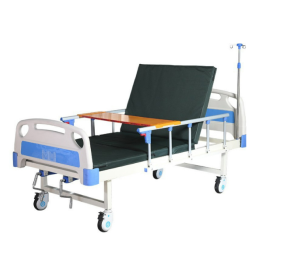
?♂️ Optimal Reclining Positions for Comfort
1. 30–45 Degree Incline
Elevating the head of the bed to a 30–45 degree angle can relieve pressure on the lower back and allow the spine to relax. This position is beneficial for patients with lower back pain or those recovering from surgery.
2. Elevating the Legs
Elevating the legs helps reduce strain on the lower back and promotes better circulation, especially for long-term bedridden patients. This adjustment can be achieved by raising the foot section of the bed.
?️ Choosing the Right Mattress
The type of mattress on a hospital bed can significantly affect comfort and support. Consider the following options:
-
Memory Foam Mattresses: Provide excellent support and reduce pressure points, making them ideal for chronic back pain or pressure sores.
-
Alternating Pressure Air Mattresses: Designed for bedridden patients, these mattresses use air cells that alternate between inflating and deflating to alleviate pressure and prevent pressure sores.
-
Gel-Infused Mattresses: Combine the benefits of memory foam with cooling properties, which help maintain comfort while reducing back pain.
? Selecting the Right Hospital Bed
When choosing a hospital bed, consider the following factors:
-
Adjustability: Ensure the bed allows for adjustments to the head, foot, and height positions.
-
Weight Capacity: Check the bed’s weight capacity to ensure it can accommodate the patient safely.
-
Mattress Compatibility: Verify that the bed is compatible with the desired mattress type.
-
Safety Features: Look for beds with features like lockable casters and secure bed rails.
? Conclusion
Reclining a hospital bed correctly is essential for patient comfort and care. Whether using manual or electric adjustment methods, understanding how to adjust the bed’s head, foot, and height positions can significantly impact the patient’s well-being. Always ensure the bed is securely locked and the patient is comfortable before leaving them unattended.
