

How Wide is a Hospital Bed? The Ultimate Henyuan Medical Guide
Selecting the right hospital bed is a crucial decision for healthcare providers, home caregivers, and rehabilitation facilities. A question often arises: how wide is a hospital bed? Understanding bed widths, lengths, and specialized sizes ensures patient comfort, safety, and clinical efficiency. Henyuan Medical, a global leader in hospital furniture, offers a wide range of beds tailored to different patient needs—from standard home-use beds to bariatric and ultra-wide hospital beds.
1. Standard Hospital Bed Widths
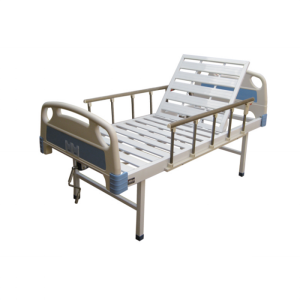
Standard hospital beds, widely used in clinics and home care, typically measure 36 inches (91 cm) wide × 80 inches (203 cm) long. This dimension provides adequate support for most patients and allows safe movement along the bed. Henyuan Medical maintains these standards while incorporating features such as:
-
Adjustable head and foot sections
-
Antimicrobial, easy-clean surfaces
-
Integrated mattress supports
- Standard width: 36 inches
- Standard length: 80 inches
- Comparison to other beds: The dimensions are comparable to a standard twin XL mattress.
- Other sizes: Other sizes are available for different needs, such as pediatric beds (30–36 inches wide, 60–72 inches long) and bariatric beds (42–60 inches wide).
Tip: When planning room layouts, always account for clearance on both sides of the bed for caregivers to access patients safely.
2. Extended and Bariatric Hospital Bed Widths
|
Bed Type
|
Widths
|
|---|---|
|
Standard Hospital Bed
|
36 inches
|
|
Extended/Bariatric
|
36 to 54 inches
|
|
Common Bariatric Widths
|
42 inches, 48 inches, 54 inches
|
|
“Convertible” Bariatric Bed
|
Adjustable, often 36 to 48 inches
|
For patients with higher BMI or special mobility needs, bariatric and ultra-wide beds are essential. Henyuan Medical offers beds with widths ranging from 39 inches (100 cm) to 54 inches (137 cm). Key benefits include:
-
Enhanced patient comfort
-
Improved safety for heavier patients
-
Compatibility with bariatric mattresses and linens
| Model | Width | Length | Max Weight | Ideal Use Case |
|---|---|---|---|---|
| HM-Standard | 36 in | 80 in | 300 lbs | General ward / home care |
| HM-Bariatric | 39–48 in | 80–88 in | 500–700 lbs | Bariatric patients |
| HM-Ultra Wide | 54 in | 88 in | 800 lbs | ICU, rehab, or extended care |
These widths correspond to real-world clinical requirements. For instance, ICU beds often feature 105 cm (≈41.3 in) width to accommodate monitoring devices and additional bedding.
3. Mattress Thickness and Bed Accessories
Bed width is closely linked to mattress choice. Henyuan Medical recommends:
-
Standard mattress thickness: 6–7 inches for typical 36-inch beds
-
Bariatric mattress thickness: 8–10 inches for support and pressure relief
-
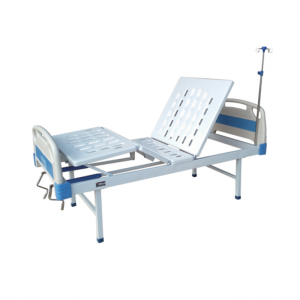
Optional accessories: side rails, IV poles, overbed tables, and pressure-relief cushions
Selecting the correct mattress ensures patient safety, prevents bed sores, and complements adjustable bed functions.
4. Pediatric and Home Hospital Beds
Home-use hospital beds generally maintain standard widths (36–38 inches), but smaller pediatric models exist for children and adolescents. Henyuan Medical’s home hospital beds offer:
-
Adjustable height for caregiver convenience
-
Compatibility with standard sheets
-
Smooth mechanical or electric adjustment
Ultra-compact models can fit into smaller bedrooms while maintaining hospital-grade safety standards.
5. How Width Affects Patient Care
Width plays a crucial role in patient care:
-
Narrow beds (36–38 in): Adequate for most adults; space-efficient for home and ward use
-
Mid-width beds (39–48 in): Ideal for bariatric or patients requiring assistance
-
Ultra-wide beds (50–54 in): Recommended in ICUs, rehabilitation centers, or for patients needing extra mobility and positioning space
Real Case: At Henyuan Medical’s demonstration ward, nurses report that ultra-wide beds reduce the need for repositioning heavy patients multiple times, lowering strain and enhancing safety.
6. Technical Considerations
| Parameter | Standard Bed | Bariatric Bed | Ultra-Wide Bed |
|---|---|---|---|
| Width | 36 in (91 cm) | 39–48 in (100–122 cm) | 50–54 in (127–137 cm) |
| Length | 80 in (203 cm) | 80–88 in (203–224 cm) | 88 in (224 cm) |
| Mattress Thickness | 6–7 in | 8–10 in | 10 in |
| Max Patient Weight | 300 lbs | 500–700 lbs | 800 lbs |
| Adjustment | Manual/Electric | Manual/Electric | Electric / Hybrid |
| Accessories | Side rails, IV pole, tray table | Side rails, IV pole, bariatric cushions | Advanced monitoring mounts, overbed table |
Henyuan Medical beds offer modular configurations, enabling hospitals to adapt to diverse patient profiles.
7. Choosing the Right Bed Width: Selection Guide
When deciding how wide is a hospital bed for your facility, consider:
-
Patient size and weight: Choose wider beds for bariatric patients or taller individuals
-
Clinical setting: ICU, rehab, and home care have different space and equipment requirements
-
Mobility needs: Beds with extra width enable repositioning and access for caregivers
-
Room layout: Allow sufficient clearance for wheelchairs, lifts, and daily care
-
Accessories and modularity: Ensure compatibility with rails, mattresses, and overbed tables
Expert Tip: For multi-patient rooms, a combination of standard and bariatric widths optimizes both safety and space utilization.
8. Real-World Applications
| Facility Type | Bed Model | Width | Notes |
|---|---|---|---|
| City Hospital ICU | HM-Ultra Wide | 105 cm | Supports critical care equipment and provides caregiver access |
| Rehabilitation Center | HM-Bariatric | 48 in | Bariatric patients with full mobility support |
| Home Care | HM-Standard | 36 in | Standard patient with home accessibility and compact room fit |
These examples demonstrate how width selection impacts patient comfort and caregiver efficiency.
9. Frequently Asked Questions
Q1: Can standard sheets fit all hospital beds?
A: Sheets for 36-inch beds fit standard beds, but bariatric or ultra-wide beds require specially sized sheets (39–54 in).
Q2: Do wider beds require stronger flooring?
A: Heavier patients and wider beds may require reinforced floors in some home installations.
Q3: Are all Henyuan Medical beds adjustable?
A: Yes, most models feature manual or electric adjustment, including head, foot, and height.
10. Conclusion
Understanding how wide is a hospital bed is essential for patient comfort, safety, and clinical efficiency. Henyuan Medical’s full range—from standard 36-inch beds to ultra-wide 54-inch beds—offers flexible solutions for home care, ICUs, rehabilitation, and bariatric care. With adjustable heights, modular accessories, and robust construction, these beds ensure that both patients and caregivers have a safe, ergonomic, and comfortable experience.
Investing in the correct bed width is not just about comfort; it’s about enhancing care quality, reducing caregiver strain, and ensuring patient safety.
