

Introduction
In modern healthcare, patient safety, comfort, and skin integrity are top priorities. One essential solution for pressure ulcer prevention and overall patient well-being is the low air loss mattress for hospital bed. These mattresses are designed to provide optimal airflow, pressure redistribution, and moisture management, making them indispensable in hospitals, nursing homes, and homecare environments. Hengyuan Medical offers a range of innovative low air loss mattresses specifically engineered for hospital beds and ICU settings.
This guide will explore:
-
What low air loss mattresses are
-
Technical features and parameters
-
Types and variations of mattresses
-
Benefits for patients and healthcare providers
-
Real-life case studies
-
How to select the right mattress for your hospital or homecare setting
By the end, you will have a complete understanding of why investing in a low air loss mattress is crucial for patient care.
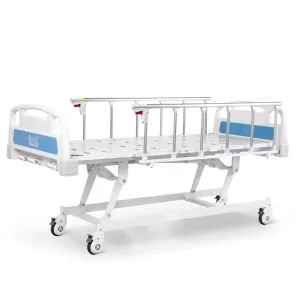
What Is a Low Air Loss Mattress for Hospital Bed?
What Is a Low Air Loss Mattress for Hospital Bed? — In‑Depth Analysis
A “low air loss mattress for hospital bed” (often shortened to “low air loss mattress”, or “LAL mattress”) is a specialized therapeutic support surface designed to optimize pressure distribution, skin microclimate (moisture & temperature), and overall patient comfort — especially for bedridden, immobile, or high-risk patients prone to pressure injuries (bedsores). Compared to a standard foam or spring mattress, a LAL mattress integrates air circulation, air cell technology, and pressure management to reduce risk factors associated with prolonged recumbency.
🛠️ Core Mechanism: How a Low Air Loss Mattress Works
• Air‑Cell / Bladder Structure + Air Flow
-
LAL mattresses are built with multiple interconnected air chambers (cells or bladders) rather than a solid foam core.
-
A blower / pump unit continuously circulates air through the air cells; some cells may leak air slowly through perforations, micro‑holes or breathable covers / surfaces, creating a gentle but constant flow of air across the mattress surface.
-
This airflow results in microclimate control: moisture (sweat, exudate, humidity) is drawn away from the skin, helping to keep it cool, dry, and better ventilated — essential for patients with incontinence, excessive sweating, or long-term bed rest.
• Pressure Redistribution & Immersion / Envelopment
-
Because the mattress surface is composed of many air cells, the patient’s weight is distributed over a larger surface area, reducing peak pressure points (e.g. hips, sacrum, heels) that commonly lead to pressure ulcers.
-
Some LAL mattresses combine static low‑air‑loss + alternating pressure modes — the alternating inflation/deflation cycles shift pressure points periodically, further reducing tissue compression and supporting circulation when patients cannot reposition themselves.
• Microclimate Management: Moisture, Temperature, Shear & Friction Control
-
The continuous airflow helps evaporate moisture (sweat, wound exudate, incontinence), which reduces maceration risk (skin softening and breakdown due to moisture).
-
Air movement also helps regulate temperature at the skin–mattress interface, preventing overheating and improving comfort.
-
Because the surface is air‑cell based and often covered with low‑friction top covers (soft‑touch, vapor‑permeable), shear and friction forces (which exacerbate pressure wound risk during repositioning or movement) are reduced.
In short: LAL mattresses combine pressure redistribution + airflow + moisture/temperature control + reduced shear/friction — forming a multi‑dimensional therapeutic support surface.
🩺 Who Needs a Low Air Loss Mattress: Indications & Clinical Applications
LAL mattresses are particularly beneficial for:
-
Patients who are immobile or have limited mobility, unable to reposition themselves regularly (e.g. spinal cord injury, paralysis, advanced age, sedation)
-
Individuals at high risk for pressure ulcers / bedsores — e.g. long‑term bedridden patients, post‑operative surgical patients, chronically ill, incontinence, neuropathy, circulatory disorders.
-
Patients in ICU, post‑surgery recovery, burn units, long‑term care facilities, homecare for chronic bedridden patients, where extended bed rest and skin integrity are critical.
-
Situations requiring moisture & microclimate control — such as incontinence, heavy sweating, wound exudate, or hot/humid environments — where standard foam mattresses risk maceration or skin breakdown.
Using LAL mattresses for appropriate patients significantly decreases the incidence of pressure injuries, improves skin health, and enhances patient comfort — critical for both prevention and healing.
✅ Key Functions & Benefits of Low Air Loss Mattresses
Here is a consolidated list of core functions and benefits — these make LAL mattresses a superior choice over standard mattresses for high-risk patients.
| Function / Benefit | Description / Outcome |
|---|---|
| Pressure redistribution & immersion/envelopment | Evenly distributes body weight to reduce high-pressure points; reduces tissue ischemia. |
| Microclimate management (moisture & temperature) | Continuous airflow wicks away moisture, maintains skin dryness, regulates surface temperature — reduces maceration, overheating, skin breakdown. |
| Skin integrity & ulcer prevention / treatment | For prevention of pressure ulcers (bedsores) and supportive healing in existing wounds. |
| Improved comfort & patient satisfaction | Soft, adaptive surface; reduces discomfort, improves sleep and well‑being especially for long‑term bedridden patients. |
| Reduced caregiver workload | Less frequent repositioning needed; easier wound care; improved hygiene due to ventilated surface & washable covers. |
| Versatility across care settings | Suitable for ICU, post‑op, long-term care, homecare, bariatric patients — supports broad application. |
📊 Example Technical Specification Profile (for a Reference LAL Mattress)
Here is an example specification chart for a typical high‑quality LAL mattress — useful for product pages, procurement specs, or clinical evaluation.
| Specification | Typical Value / Parameter |
|---|---|
| Mattress Type | Low Air Loss (static / alternating) support surface |
| Air Cells / Bladders | Multi-cell air chamber array, segmented lateral bladders |
| Air Flow Rate | Adjustable (e.g. 90–120 L/min for adequate ventilation) |
| Air Pump | Integrated blower with continuous airflow + adjustable pressure control, low noise (< 30–35 dB typical) |
| Surface Cover | Vapor-permeable, waterproof or water-resistant top cover (PU/TPU/PVC or treated fabric) — easy cleaning and fluid resistance |
| Weight Capacity | Typically supports 350–500 lb (some bariatric models higher) |
| Mattress Size | Standard hospital bed size (e.g. 36″ × 80″), sometimes wide/bariatric variants (42″/48″) or custom lengths |
| Modes | Static low air loss mode; alternating pressure mode; possibly hybrid foam/air base; optional features: CPR quick‑release, side‑bolsters, power‑failure alarms |
| Use Cases | ICU beds, long‑term care, post-op recovery, homecare beds, bariatric care, wound/pressure injury prevention & management |
⚠️ Limitations and Considerations
While LAL mattresses bring many benefits, they also come with trade‑offs and require careful consideration:
-
Cost: LAL mattresses are more expensive than standard foam or spring mattresses, which can be a barrier for some facilities or homecare users.
-
Power Dependence: Since airflow is generated by a pump/blower, these mattresses require a reliable power source. In power‑outage or unreliable electricity regions, functionality may be compromised.
-
Noise / Maintenance: Some pump units may produce audible noise (though high-quality designs strive for quiet operation). Periodic maintenance (checking for leaks, blower function, cover integrity) may be required.
-
Not a Replacement for Repositioning (in many protocols): Even with pressure redistribution, many clinical guidelines still recommend periodic repositioning of patients to ensure circulation and prevent shear — LAL mattress helps but does not fully replace clinical care routines.
🧑⚕️ Who Benefits Most from a Low Air Loss Mattress?
-
Immobile or paralyzed patients (spinal cord injury, severe neuropathy)
-
Long‑term bedridden patients (chronic illness, elder care)
-
Patients recovering from major surgery or wounds (post-op, burns, skin grafts)
-
Patients with incontinence or heavy sweating (moisture care)
-
Bariatric patients needing high weight capacity + pressure redistribution
-
ICU / critical care patients with high risk of pressure injury
For these patients, a LAL mattress significantly reduces risk factors associated with pressure injuries, skin breakdown, infection, and discomfort — improving overall care outcomes and quality of life.
📝 Summary: Why a Low Air Loss Mattress Is More Than Just a Mattress
A low air loss mattress for hospital bed is not a simple bedding upgrade — it is a therapeutic support surface, combining air cell technology, microclimate management, pressure redistribution, and moisture/temperature control. For patients with limited mobility or high risk for skin breakdown, it dramatically improves safety, comfort, and healing potential, compared to traditional mattresses.
For healthcare providers, LAL mattresses can reduce incidence of pressure ulcers, reduce nursing workload, improve patient outcomes, and potentially lower overall costs related to bed‑sores treatment. For homecare use, they provide professional‑level skin protection and comfort comparable to hospital-grade equipment.
If you are considering hospital bed mattresses for ICU, long-term care, post‑operative recovery, bariatric support, or homecare — a low air loss mattress should be among your top options.
A low air loss mattress is a hospital bed mattress that uses controlled airflow through multiple air cells to prevent pressure points and enhance skin ventilation. Unlike standard hospital bed mattresses, low air loss mattresses:
-
Reduce pressure on vulnerable areas – preventing bed sores in immobile patients.
-
Promote airflow – helps regulate skin temperature and moisture.
-
Improve comfort – distributes weight evenly and adapts to patient movement.
Key Applications:
-
ICU beds for critically ill patients
-
Long-term care facilities
-
Post-operative recovery beds
-
Homecare beds for bedridden patients
How Low Air Loss Technology Works
Low air loss mattresses operate by blowing air through perforated air cells across the mattress surface. This continuous airflow helps:
-
Evaporate moisture from the patient’s skin
-
Reduce friction and shear forces
-
Maintain a comfortable skin microclimate
Some advanced models, including Hengyuan Medical mattresses, combine low air loss with alternating pressure. This dual functionality allows for periodic inflation and deflation cycles, which further improve pressure redistribution and prevent skin breakdown.
Technical Specifications Table (Example Hengyuan Medical Model)
| Feature | Specification | Benefit |
|---|---|---|
| Air Cells | 130–180 individually controlled cells | Reduces pressure points, distributes weight |
| Airflow Rate | Adjustable 5–15 L/min | Maintains skin dryness and temperature |
| Mattress Top | Soft-touch polyurethane or coated fabric | Patient comfort, easy cleaning |
| Weight Capacity | Up to 500 lbs | Supports adult and bariatric patients |
| Dimensions | 36″x80″ standard, custom sizes available | Fits most hospital beds |
| Pump Noise | <30 dB | Quiet operation in ICU and homecare |
| Power Requirements | 110–240V AC | Universal compatibility |
| Accessories | Waterproof covers, extra air cells | Hygiene and maintenance |
Benefits of Low Air Loss Mattresses
1. Pressure Ulcer Prevention
Pressure ulcers, or bed sores, are a significant concern for bedridden patients. Low air loss mattresses reduce localized pressure and promote circulation, preventing skin breakdown. In combination with alternating pressure cycles, these mattresses provide dynamic pressure relief.
2. Moisture and Temperature Regulation
Excess moisture from sweat or incontinence can damage the skin. Low air loss mattresses maintain a dry and ventilated surface, reducing maceration risk and promoting healing in patients with fragile skin.
3. Enhanced Patient Comfort
The combination of air cushioning, gentle inflation, and adjustable firmness ensures that patients remain comfortable during long stays. This is critical for sleep quality, recovery, and overall satisfaction.
4. Compatibility with Multiple Bed Types
Hengyuan Medical low air loss mattresses are compatible with manual, electric, ICU, and homecare beds, including bariatric models. This versatility allows healthcare facilities to maintain a consistent standard of care across different bed types.
5. Support for Healthcare Providers
These mattresses reduce staff workload, as patients require less frequent repositioning, and bed hygiene is easier due to removable covers and durable materials.
Types of Low Air Loss Mattresses
1. Static Low Air Loss Mattress
-
Provides continuous low-pressure airflow
-
Prevents skin moisture accumulation
-
Ideal for patients not at high risk of pressure ulcers
2. Alternating Low Air Loss Mattress
-
Combines low air loss with alternating pressure
-
Air cells inflate and deflate periodically
-
Ideal for high-risk patients, post-operative care, ICU beds
3. Hybrid or Combination Mattress
-
Incorporates foam layers for comfort + airflow system
-
Offers both support and skin protection
-
Recommended for long-term care and homecare
Real-Life Case Studies
Hospital ICU Implementation:
A major rehabilitation hospital installed Hengyuan Medical low air loss mattresses across 60 ICU beds. Over six months, pressure ulcer incidence dropped by 70%, and nurses reported significantly reduced patient handling time.
Homecare Application:
A patient recovering from spinal surgery used a Hengyuan Medical low air loss mattress at home. The patient experienced better sleep, reduced skin irritation, and easier wound care. Family caregivers noted improved hygiene management thanks to removable covers and easy pump operation.
Buying Guide: How to Choose the Right Low Air Loss Mattress
Buying Guide: How to Choose the Right Low Air Loss Mattress for Hospital Bed
Selecting the right low air loss (LAL) mattress is critical for both patient care and investment value. A proper LAL mattress not only enhances pressure ulcer prevention and skin integrity but also improves patient comfort, caregiver workflow, and overall clinical outcomes. This guide dives into the essential factors to consider when choosing a LAL mattress for hospital beds.
1️⃣ Understand Your Patient’s Needs
Before selecting a mattress, evaluate patient characteristics and medical conditions:
-
Mobility: Immobile or semi-mobile patients benefit the most, as they cannot reposition themselves.
-
Risk of Pressure Injuries: Use clinical scales such as Braden or Norton scale to identify high-risk patients.
-
Body Weight / Size: Bariatric patients may require wider mattresses (42–48 inches) or higher weight capacity.
-
Skin Sensitivity / Wound Status: Patients with fragile skin, burns, or post-operative wounds may need specialized surfaces with enhanced microclimate management.
A correct assessment ensures the mattress delivers maximum therapeutic benefit.
2️⃣ Key Technical Features to Evaluate
A high-quality LAL mattress should integrate the following:
| Feature | Why It Matters | Reference |
|---|---|---|
| Air Cells / Bladders | Multiple segmented air cells distribute weight, reduce pressure points. | |
| Airflow Rate / Microclimate Control | Removes moisture, maintains skin dryness and comfort. Adjustable airflow allows customization. | |
| Pressure Settings / Alternating Modes | Alternating or static low air loss modes enhance tissue perfusion, prevent ulcers. | |
| Pump & Noise Level | Continuous airflow is essential; quiet operation improves patient comfort. | |
| Surface Cover | Vapor-permeable, waterproof or low-friction covers facilitate hygiene, reduce shear/friction. | |
| Weight Capacity | Ensure mattress supports patient weight safely. | |
| Size / Compatibility | Standard hospital bed sizes: 36″ × 80″; bariatric or ICU may require custom dimensions. |
3️⃣ Mattress Performance Considerations
When evaluating mattresses, consider the following:
-
Pressure Redistribution: Verify if the mattress offers uniform weight distribution to prevent high-pressure areas.
-
Microclimate Management: Check if airflow sufficiently removes moisture and regulates temperature.
-
Patient Comfort: Look for surface adaptation to patient’s body shape and soft top covers.
-
Ease of Cleaning: Waterproof, removable, and breathable covers simplify infection control.
-
Maintenance Requirements: Some pumps require filter changes, leak checks, or calibration.
Tip: Request clinical trial or hospital references to ensure real-world performance aligns with specifications.
4️⃣ Clinical & Operational Benefits
Choosing the right LAL mattress improves both patient care and operational efficiency:
-
Reduces Pressure Ulcers: Significantly lowers incidence and severity.
-
Enhances Patient Comfort: Improved sleep quality and reduced pain.
-
Decreases Caregiver Workload: Less frequent repositioning, easier wound management.
-
Supports Infection Control: Vapor-permeable, waterproof covers allow cleaning without compromising therapy.
-
Versatility: Suitable for ICU, post-op, long-term care, and homecare patients.
5️⃣ Practical Purchasing Tips
-
Brand & Reliability: Choose reputable brands like Hengyuan Medical, known for quality LAL mattresses and clinical support.
-
Warranty & Support: Ensure adequate warranty (2–5 years) and availability of replacement parts.
-
Power Supply & Portability: Check blower requirements; some models include battery backup for power outages.
-
Budget vs. Performance: Balance cost with clinical needs; investing in a high-quality mattress reduces future treatment costs for pressure injuries.
-
User Feedback: Collect feedback from nursing staff and patients on comfort, noise, and usability.
6️⃣ Case Example: Hospital Implementation
Scenario: A 72-year-old immobile patient with incontinence is at high risk for sacral and heel pressure ulcers.
Solution:
-
Hengyuan Medical LAL mattress with static low air loss mode.
-
Continuous airflow reduces moisture, maintains skin dryness.
-
Alternating pressure mode activated every 2 hours to redistribute pressure.
-
Vapor-permeable top cover facilitates hygiene and cleaning.
Outcome: Reduced incidence of skin breakdown, improved patient comfort, and decreased nursing repositioning frequency.
7️⃣ Summary Checklist Before Buying
-
Patient mobility and weight assessment
-
Mattress type: static vs. alternating
-
Airflow rate and pressure settings
-
Surface cover: waterproof, breathable, low friction
-
Noise level and pump reliability
-
Dimensions and bed compatibility
-
Warranty and maintenance support
-
Clinical references and user feedback
✅ Conclusion
Selecting the right low air loss mattress for hospital bed is a combination of clinical insight, technical evaluation, and operational practicality. With appropriate choice:
-
Pressure injuries are minimized
-
Patient comfort and healing are maximized
-
Caregiver workload is reduced
-
Healthcare costs related to bedsores are lowered
Investing time in evaluating mattress performance, patient compatibility, and brand reliability ensures that the chosen LAL mattress provides long-term therapeutic benefits. Hengyuan Medical offers options that balance clinical effectiveness, durability, and patient comfort, making it an ideal choice for both hospital and homecare settings.
Step 1: Bed Compatibility
Measure bed size, type, and weight capacity. Hengyuan Medical mattresses are available for manual beds, electric beds, ICU beds, and bariatric models.
Step 2: Pressure Management Needs
Evaluate patient risk for pressure ulcers. High-risk patients benefit from alternating low air loss mattresses, while lower-risk patients may use static LAL mattresses.
Step 3: Material and Hygiene
Select durable, medical-grade materials with removable, washable covers to ensure hygiene and reduce infection risk.
Step 4: Pump Features
Ensure the air pump is quiet, adjustable, and reliable. Silent pumps improve sleep quality and staff satisfaction.
Step 5: Budget Considerations
Evaluate long-term cost vs. patient outcomes. Hengyuan Medical mattresses combine durability, clinical effectiveness, and patient comfort, offering a strong return on investment.
Conclusion
The low air loss mattress for hospital bed is an indispensable investment for healthcare facilities and homecare providers. Hengyuan Medical offers a comprehensive range of high-quality mattresses that prevent pressure ulcers, maintain skin integrity, improve patient comfort, and support staff efficiency.
By selecting the right mattress, hospitals, nursing homes, and homecare providers can enhance patient care, reduce complications, and improve outcomes.
