

Manual Hospital Beds by Henyuan Medical: Comprehensive Guide
Manual hospital beds are essential for providing safe, comfortable, and adaptable care in hospitals, clinics, and homecare environments. Unlike electric or motorized beds, manual beds are cost-effective, reliable, and easy to maintain. Henyuan Medical offers a full range of manual hospital beds, designed to meet diverse patient needs while supporting caregivers in delivering efficient care.
In this comprehensive guide, we’ll explore the key features, technical specifications, real-world applications, and a detailed buying guide for manual beds. We’ll also cover related keywords such as adjustable beds, homecare beds, patient safety, pediatric beds, multi-height beds, and more, to ensure you understand the full spectrum of options available.
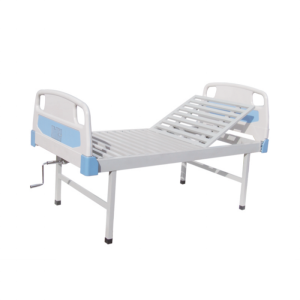
Key Features of Henyuan Medical Manual Beds
Manual Adjustments
-
Hand Cranks:
These are used to raise or lower the entire bed’s height and to adjust the head and foot sections independently.
-
Patient Positioning:
Adjusting the head and foot sections allows for patient comfort during activities like eating or watching TV, and can provide therapeutic benefits.
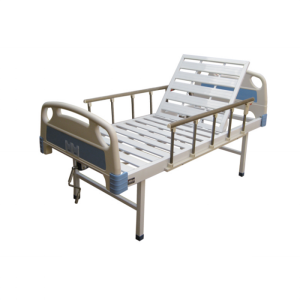
Durability & Reliability
- No Motors: The lack of electrical components means no motor failure, reduced maintenance needs, and greater reliability over time.
- Sturdy Construction: Manual beds are built to be durable and provide long-term care.
Safety Features
-
Side Rails:
Secure, adjustable side rails are a critical feature to prevent accidental falls, especially for elderly or mobility-impaired patients.
-
Locking Mechanism:
A locking mechanism helps to keep the bed stable and secure during adjustments.
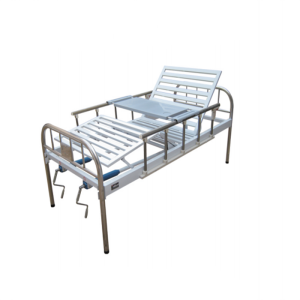
Cost-Effectiveness
- Affordable Option: Manual beds are typically more affordable than electric or semi-electric models, making them a cost-effective choice for long-term care.
Portability & Mobility
- Casters: Many manual beds are equipped with casters or wheels, which allow for easy movement within a home or healthcare facility.
Henyuan Medical manual hospital beds combine durability, ergonomic design, and patient-centric functionality. Key features include:
-
Adjustable Backrest and Legrest: Allows caregivers to position patients comfortably for eating, resting, or medical procedures.
-
Side Rails: Provides enhanced safety and prevents accidental falls.
-
Durable Materials: High-quality steel frames, anti-corrosion coating, and robust mattresses ensure long-term use.
-
Ergonomic Design: Designed for ease of use and efficient patient care.
-
Multi-Height Adjustment: Certain models, such as the Multi-Height Manual Bed, allow height adjustment to facilitate transfers and caregiver ergonomics.
| Feature | Description |
|---|---|
| Backrest Adjustment | Manual crank or lever system, up to 70° tilt |
| Legrest Adjustment | Manual control, up to 45° angle |
| Bed Frame Material | High-grade steel, powder-coated |
| Side Rails | Foldable, durable, lockable |
| Height Range | 40–80 cm (depending on model) |
| Max Load Capacity | 200–250 kg |
Types of Manual Beds from Henyuan Medical
Medical manual beds are beds adjusted by a physical crank and are available in different configurations, such as fully manual (3 or 5-function) where all positions are adjusted by hand cranks, or semi-electric beds where the head and foot are electric but the height is manual. These beds are economical and are suitable for users or caregivers who can physically operate the cranks.
-
Operation:
Require physical effort via hand cranks to adjust the bed’s height, head, and foot positions.
-
Functions:
Can be 1-, 2-, 3-, or 5-function beds, with the number of functions indicating the available adjustable positions (backrest, footrest, height, etc.).
-
Pros:
Economical choice and a good option when frequent repositioning isn’t needed or when power isn’t readily available.
-
Cons:
Requires physical strength and effort, which can limit independence for patients or be challenging for caregivers.
Semi-Electric Hospital Beds
-
Operation:Feature an electric motor for head and foot adjustments, controlled with a hand pendant (buttons). The bed’s overall height is adjusted manually with a hand crank.
-
Pros:Easier and faster adjustments for the head and foot sections compared to fully manual beds, while still offering some manual control for cost-effectiveness.
-
Cons:Requires someone to manually crank the bed’s height, but is still more convenient than a fully manual bed for frequent position changes.
Key Considerations for Manual Beds
- Budget: Manual beds are typically the most economical option.
- Physical Capability: They are best for individuals who can physically operate the hand cranks or for caregivers who have the strength and ability to do so.
- Frequency of Adjustments: If frequent repositioning is required, a semi-electric or fully electric bed might be a better choice for comfort and ease of use.
Henyuan Medical offers a variety of manual beds for different care scenarios:
-
Standard Manual Hospital Bed: Ideal for general hospital wards and clinics; adjustable backrest and legrest, foldable side rails.
-
Homecare Manual Bed: Designed for in-home patient care; compact size, lightweight frame, easy to operate by caregivers.
-
Multi-Height Manual Bed: Adjustable height feature allows seamless transfers and enhanced caregiver ergonomics.
-
Pediatric Manual Bed: Smaller frame, safety rails, and mattress suitable for children or youth patients.
-
Specialized Manual Beds: Gynecology, bariatric, or intensive care variants for specific patient needs.
Applications of Hospital Manual Bed
Applications by Setting
-
Acute Care & Hospitals:
Can be found in hospitals, especially where reliable, non-electric equipment is needed or in emergency situations.
-
Long-Term Care Facilities:
Commonly used in nursing homes and assisted living centers to accommodate patients with extended stays.
-
Rehabilitation Centers:
Aid in patient recovery by allowing therapists to position patients for exercises and treatments.
-
Palliative & Hospice Settings:
Offer comfort and support by enabling positioning to alleviate discomfort for terminally ill patients.
-
Home Care:
Provide comfort and support for patients recovering at home, offering a cost-effective option when electricity isn’t a concern.
Specific Patient Needs
-
Limited Mobility:
Ideal for patients who have minimal mobility and can be assisted by caregivers to operate the hand cranks.
-
Minimal Repositioning:
Suitable for patients who don’t require frequent or complex position changes throughout the day.
-
Cost-Conscious Settings:
A practical and economical choice for facilities with limited budgets or where high upfront costs are a concern.
Benefits in Application
-
Reliability in Power Outages:
Manual beds work without electricity, making them dependable during power failures.
-
Durability & Easy Maintenance:
They are less prone to technical malfunctions than electric beds, and their sturdy construction makes them easy to clean and maintain.
-
Patient Comfort:
Adjustable head and foot sections allow for improved patient comfort and positioning for activities like eating or reading.
-
Therapeutic Positioning:The adjustable features help in positioning patients for various medical treatments and procedures.
Henyuan Medical manual beds are widely used across various healthcare environments:
-
Hospitals and Clinics: Standard and multi-height manual beds are deployed in wards, ICU units, and examination rooms.
-
Homecare: Adjustable manual beds support patients recovering at home, enabling caregivers to provide efficient care.
-
Pediatric Care: Youth manual beds ensure safety and comfort for children in hospitals and rehabilitation centers.
-
Special Care Units: Gynecology, dialysis, and bariatric beds support specialized medical procedures.
Case Study:
At a mid-sized hospital in Texas, Henyuan Medical multi-height manual beds replaced older models in the general ward. Nurses reported improved efficiency in patient transfers, reduced physical strain, and enhanced patient comfort, highlighting the ergonomic advantage of multi-height adjustable beds.
Technical Considerations When Choosing a Manual Bed
When selecting a manual hospital bed, consider the following technical factors:
| Parameter | Recommendation |
|---|---|
| Weight Capacity | Choose beds with 200–250 kg load capacity for standard patients; bariatric beds for heavier patients. |
| Adjustment Mechanism | Ensure backrest and legrest are easily adjustable using manual crank or lever. |
| Mobility | Beds with lockable wheels improve maneuverability and safety. |
| Safety Features | Foldable side rails, anti-slip mattresses, and smooth edges prevent accidents. |
| Mattress Compatibility | Ensure mattress thickness and size match bed frame specifications. |
| Height Adjustment | Multi-height beds support ergonomic care for caregivers and facilitate patient transfers. |
Buying Guide for Manual Beds
Key Features to Consider
-
Manual Adjustments:
- Crank System: Check that the cranks are easy to operate for both the patient and caregivers to adjust the head, foot, and overall bed height.
- Range of Motion: Ensure the bed allows for a wide enough range of motion to provide comfort and support for the user’s specific needs.
- Crank System: Check that the cranks are easy to operate for both the patient and caregivers to adjust the head, foot, and overall bed height.
-
Weight Capacity:
- Verify the bed’s weight capacity is sufficient to safely support the intended user. Some models offer bariatric options for heavier patients.
- Verify the bed’s weight capacity is sufficient to safely support the intended user. Some models offer bariatric options for heavier patients.
-
Mobility and Maneuverability:
- Wheels/Casters: Look for a bed with sturdy, locking wheels to allow for easy movement for cleaning and repositioning, as well as to keep the bed stable when in use.
- Wheels/Casters: Look for a bed with sturdy, locking wheels to allow for easy movement for cleaning and repositioning, as well as to keep the bed stable when in use.
-
Safety Features:
- Side Rails: Essential for fall protection, ensure the side rails are designed to be easily raised and lowered for access.
- Side Rails: Essential for fall protection, ensure the side rails are designed to be easily raised and lowered for access.
-
Mattress Compatibility:
- Confirm the bed is compatible with specialized pressure-relief or therapeutic mattresses to help prevent bedsores for patients at risk.
- Confirm the bed is compatible with specialized pressure-relief or therapeutic mattresses to help prevent bedsores for patients at risk.
-
Dimensions:
- Standard hospital beds are typically 80 inches long and 36 inches wide. Check that the bed will fit the user and the room.
- Standard hospital beds are typically 80 inches long and 36 inches wide. Check that the bed will fit the user and the room.
Other Considerations
-
Budget:
Hospital beds can be a significant investment, so establish a budget beforehand.
-
Space and Placement:
Measure the space where the bed will be placed to ensure there is enough room for the bed itself, as well as for patient and caregiver movement.
-
Add-ons:Consider if you will need accessories such as overbed tables, trapeze bars for assistance with movement, or IV poles.
Selecting the right manual bed requires careful consideration of patient needs, caregiver requirements, and care environment. Follow these tips:
-
Assess Patient Needs: Consider mobility, weight, medical condition, and age (adult vs. pediatric).
-
Evaluate Bed Features: Ensure adjustable backrest, legrest, side rails, and multi-height options are available.
-
Check Materials and Build Quality: Durable steel frames and quality mattresses ensure longevity and safety.
-
Consider Care Environment: Beds for homecare might require lightweight frames, while hospital beds may prioritize stability and multi-functional features.
-
Compare Models: Review Henyuan Medical’s standard, homecare, multi-height, and pediatric beds to match specific requirements.
Conclusion
Henyuan Medical manual hospital beds are a cost-effective, reliable, and safe choice for hospitals, clinics, and homecare. With adjustable features, ergonomic design, and various types to suit every patient need—including pediatric, multi-height, and specialized beds—manual beds ensure both patient comfort and caregiver efficiency.
When selecting a manual bed, focus on patient requirements, safety features, durability, and ease of use. With Henyuan Medical, healthcare providers can confidently equip their facilities with beds that combine quality, safety, and practicality.
