

What is a semi electric hospital bed?
A semi-electric hospital bed allows a patient or caregiver to electrically adjust the head and foot sections of the bed using a hand control or pendant. The crucial difference from a fully electric bed is that the overall height of the bed from the ground to the mattress is adjusted manually using a hand crank. This feature provides powered comfort for positioning but requires a caregiver to use a crank for height adjustments, making semi-electric beds a more budget-friendly choice for home use.
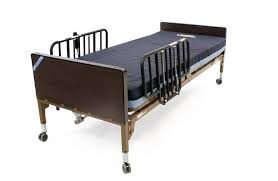
Key Features of semi electric hospital bed
Electric Head and Foot Adjustments: Users can raise or lower the head and foot of the bed using a wired hand control.
Manual Height Adjustment: A hand crank, typically located at the foot end of the bed, is used to adjust the bed’s height.
Battery Backup: Many semi-electric beds include a 9V battery backup to allow for electric adjustments during a power outage.
Hospital Bed Features: These beds often include features like side rails for fall protection and casters for easier transport.
Benefits of a Semi-Electric Bed
Cost-Effective: They are generally more affordable than fully electric hi-low beds.
Ideal for Specific Needs: They are a good option for patients who need the head and foot of the bed elevated but don’t require frequent, powered height adjustments, such as during hip or knee replacement recovery.
Simpler Design: With fewer motors, these beds can be easier to deliver and set up.
How to disassemble a semi electric hospital bed?
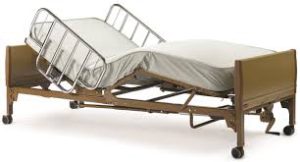
1. Preparation
Unplug the bed from the power source.
Remove the mattress, linens, and accessories (IV pole, overbed table, side rails if detachable).
Have at least two people if possible, since some parts are heavy.
2. Detach the Headboard and Footboard
Most semi electric hospital beds have latches or bolts connecting the headboard and footboard to the main frame.
Unlock or unscrew them, then carefully lift each board away.
3. Remove the Side Rails (if applicable)
Side rails are usually attached with pins, clips, or bolts.
Release the locking mechanism and slide or lift the rails out.
4. Disconnect the Motor and Hand Controller
Semi electric beds have motors for head and foot adjustments.
Trace the power cables to where they connect to the bed frame.
Disconnect plugs (do not cut wires).
Carefully remove the motor units if needed (some models allow them to stay attached during transport).
5. Separate the Bed Frame
Semi electric beds often split into two main frame sections (upper and lower deck).
Locate the connection brackets or hooks.
Lift and separate the two parts—this makes moving much easier.
6. Fold or Remove the Crank (Manual Adjustment)
If your model has a manual crank for height adjustment, fold it in or unscrew it before moving.
7. Store and Transport
Keep all screws, bolts, and pins in a labeled bag.
Transport the bed in sections: headboard, footboard, side rails, and the two frame parts.
⚠️ Safety Tips
Always unplug before starting.
Lift with your legs, not your back—bed frames can be heavy.
If unsure, refer to the manufacturer’s manual for specific instructions (designs vary slightly).
How much does a new semi electric hospital bed cost?
The cost of a new semi-electric hospital bed depends a lot on features (size, materials, motor quality, warranty, rails, accessories, mattress, etc.) and market (US, export, direct from China, etc.). Here are some price ranges and examples + product options to give you a good idea. If you tell me your target market (e.g. US, Europe, Asia, FOB China, etc.), I can narrow more.
✅ What Drives the Price Differences how much is a drive semi electric hospital bed?
These are the key factors that make one model more expensive than another:
Motor & Electrical Components Quality
Better motors (quieter, smoother, longer life), battery backup, controller type, safety certifications (UL, CE) all add cost.
Frame Material & Build
Heavy-duty steel, better welding, corrosion resistance, better bearings, sturdier side rails etc.
Accessories & Extras
Mattress type (foam, air, therapeutic), side/full rails, IV pole, battery backup, extension kits, height adjust mechanisms, etc.
Certifications, Safety Standards & Warranties
If required to meet certain hospital-grade standards or local regulations, that will add cost. Long warranties also increase price.
Size and Capacity
Larger beds, bariatric capacities (higher weight rating), longer sleep deck = more material + stronger motors.
Shipping, Import Duties, and Minimum Order Quantities
FOB vs delivered vs including shipping will greatly alter the landed cost. Smaller quantities mean per-unit shipping is higher.
How to disassemble a semi electric hospital bed into pieces?
When it comes to moving or storing a hospital bed, disassembling it properly is key to ensure the safety of both the equipment and the individuals involved. Hospital beds are intricate pieces of medical equipment that require careful handling to avoid damaging any of its components. In this article, we will walk you through the steps on how to disassemble a Drive hospital bed.
Henyuan Medical is a well-known manufacturer of medical equipment, including hospital beds. Their beds are designed with durability and functionality in mind, making them ideal for use in hospitals, long-term care facilities, and home care settings. Disassembling a Henyuan hospital bed may seem like a daunting task, but with the right tools and knowledge, it can be done efficiently and safely.
Step 1: Safety First
Before you start disassembling the hospital bed, ensure that the bed is unplugged from the electrical outlet if it is electric. This will prevent any accidents from occurring while handling the bed. Additionally, lower the bed to its lowest position to make it easier to work with.
Step 2: Remove the Mattress
The first step in disassembling a hospital bed is to remove the mattress. Depending on the type of mattress the bed has, this may involve unzipping a cover or releasing straps that secure the mattress to the bed frame. Carefully lift the mattress off the bed and set it aside in a safe location.
Step 3: Detach the Headboard and Footboard
Next, you will need to remove the headboard and footboard from the bed frame. These are usually secured with screws or bolts that can be easily removed with a screwdriver or Allen wrench. Once the headboard and footboard are detached, set them aside in a designated area for storage.
Step 4: Disassemble the Side Rails
The side rails of a hospital bed are typically attached to the bed frame with bolts or pins. Use a wrench or Allen wrench to loosen the fasteners and remove the side rails from the bed. Be sure to keep track of any small parts, such as washers or screws, and store them in labeled bags or containers for easy reassembly.
Step 5: Remove the Bed Frame
With the headboard, footboard, and side rails removed, you can now focus on disassembling the bed frame. Depending on the design of the bed, this may involve removing additional bolts or screws that secure the frame to the motorized components or wheels. Carefully lift the bed frame off the base and set it aside.
Step 6: Disconnect the Electrical Components
If your Drive hospital bed is electric, you will need to disconnect the electrical components before fully disassembling the bed. This may involve unplugging the power cord from the bed, removing any batteries, or disconnecting any wiring that connects the motorized parts of the bed. Be sure to follow the manufacturer’s instructions for disconnecting the electrical components safely.
Step 7: Store the Disassembled Parts
As you disassemble the hospital bed, be sure to keep all the parts organized and labeled for easy reassembly later. Store the components in a designated area where they will not get lost or damaged. Consider using a plastic storage bin or bags to keep all the parts together.
Step 8: Reassemble the Bed
When it comes time to reassemble the hospital bed, refer to the manufacturer’s instructions or user manual for guidance. Follow the steps in reverse order, starting with reconnecting the electrical components and then assembling the bed frame, side rails, headboard, and footboard. Take your time to ensure that each part is securely attached before moving on to the next step.
Conclusion:
In conclusion, disassembling a Henyuan hospital bed requires careful attention to detail and the right tools to ensure a smooth and safe process. By following the steps outlined in this article and taking your time to organize and label the parts, you can easily disassemble and reassemble your hospital bed whenever needed. Remember to prioritize safety and always refer to the manufacturer’s instructions for proper maintenance and care of your hospital bed.
What does a semi electric hospital bed do?
A semi-electric hospital bed uses electric motors for adjusting the head and foot sections of the bed but uses a manual crank to change the overall height of the bed frame. This design allows patients or caregivers to easily adjust the patient’s position for comfort and medical reasons using a remote, while a caregiver can manually lower or raise the bed for easier transfers, such as getting in and out of bed.
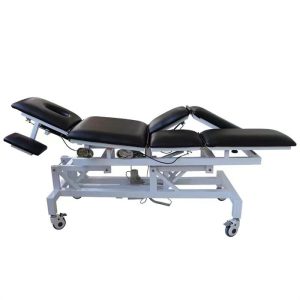
What a semi-electric hospital bed does:
Adjusts head and foot positions: Patients or caregivers can use a remote control to raise or lower the head and foot sections of the bed.
Improves patient comfort and circulation: Electric adjustments allow for various positions, which can increase comfort and improve circulation.
Assists with transfers: A manual crank at the foot of the bed allows caregivers to adjust the bed’s height. This helps lower the bed to make it easier for the patient to get in and out of bed.
Provides a safe and supportive environment: The bed frame is designed for stability, and many models come with side rails to prevent falls.
Key features:
Remote control: A hand-held remote allows for easy operation of the electric head and foot sections.
Manual crank: Located at the foot of the bed, this is used to adjust the bed’s height.
Optional accessories: Semi-electric beds can be purchased with or customized to include mattresses and bed rails.
Power backup: Some models include a battery backup to ensure the bed can still be lowered during a power outage.
What does semi electric hospital bed mean?
A semi-electric hospital bed allows users to electronically adjust the head and foot sections but requires a manual crank for adjusting the overall bed height. This hybrid design provides convenient electric controls for patient comfort and positioning while offering a more budget-friendly alternative to fully electric beds, where all functions are motorized.
Key features and functions:
Electric Head and Foot Adjustments: The head and foot sections of the bed can be raised or lowered electronically, usually with a hand pendant or remote control.
Manual Height Adjustment: The overall height of the bed (from the floor to the mattress) is adjusted manually using a hand-operated crank.
Power Outage Solution: In the event of a power outage, the manual crank allows for the continued operation of the bed for height adjustments.
Benefits:
Affordability: Semi-electric beds are generally more affordable than fully electric beds.
Comfort and Positionality: The electric controls for the head and foot make it easier for bedridden patients to find comfortable positions, helping to prevent pressure sores and enhance comfort.
Easier Transfers: Caregivers can use the height adjustment to raise or lower the bed to a more ergonomic position for patient transfers into and out of the bed.
What is semi electric hospital bed?
A semi-electric hospital bed is an adjustable hospital bed that uses an electric motor and a handheld remote to raise and lower the head and foot sections of the bed, while a manual crank is used to adjust the overall height of the bed frame. These beds are ideal for patients who need their head or feet elevated for medical reasons but don’t require frequent adjustments of the entire bed’s height.
Key Characteristics
Electric Controls for Head and Foot: Patients or caregivers use a simple, easy-to-reach handheld pendant to adjust the upper body (head) and knee (foot) sections of the bed independently or simultaneously.
Manual Crank for Bed Height: The entire bed platform is raised and lowered parallel to the floor using a hand crank, which is a manual adjustment.
Motorized Comfort: The electric motors provide smooth and quiet adjustments for patient comfort and caregiver convenience.
Safety Features: Many semi-electric beds include protective safety rails that can be lowered for easy access and raised to prevent falls.
Durability: They are built with durable frames designed to support patient weight and withstand daily use.
When to Choose a Semi-Electric Bed
Recovery: Suitable for patients recovering from surgery (like knee or hip replacements) or from a hospital stay.
Medical Conditions: Useful for people who require their head or feet to be elevated for conditions such as chronic lung disease or to prevent aspiration.
Cost-Effective Option: Offers a balance of motorized convenience and cost savings compared to a full-electric bed if frequent overall bed height adjustments aren’t needed.
