

Types of Air Mattresses for Hospital Beds: Complete Guide with Henyuan Medical
When it comes to patient comfort, safety, and prevention of pressure injuries, selecting the right air mattress for hospital beds is critical. With advancements in medical technology, there are now several types of air mattresses designed to meet different patient needs. In this comprehensive guide, we will explore types of air mattresses for hospital beds, their applications, technical specifications, practical usage cases, and a complete buying guide, featuring Henyuan Medical products.
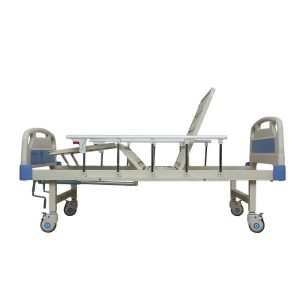
1. Understanding the Different Types of Air Mattresses
Common types of air mattresses
-
Double-height air mattresses:These are taller than standard models, making them easier to get in and out of and providing a more stable sleeping surface, similar to a traditional bed.
-
Convertible air mattresses:These can transform from one piece of furniture to another, such as an air mattress that folds out from a sofa or ottoman.
-
Self-inflating air mattresses:These mattresses have a built-in pump that inflates the mattress automatically when a button is pressed.
-
Single-layer vs. double-layer air mattresses:Single-layer mattresses are more basic and convenient, while double-layer mattresses are more durable and less likely to puncture.
-
Medical and hospital air mattresses:These are designed for long-term use or for individuals with medical needs. Common subtypes include:
- Alternating pressure mattresses: These shift pressure points to improve blood circulation and prevent bedsores by inflating and deflating individual air cells.
- Low air loss mattresses: These use a system that allows air to flow through the mattress surface, keeping the skin dry and cool.
What to consider when choosing an air mattress
- Purpose: Decide whether you need a mattress for camping, temporary guest use, or long-term medical needs.
- Durability: Choose a model made with strong, puncture-resistant materials like high-quality vinyl, PVC, or polyurethane, especially if it will be used frequently.
- Comfort: Look for features like a built-in pump, flocked top for a softer feel, and adjustable firmness to suit your preferences.
- Size: Select a size that fits your space and meets the needs of the user(s).
- Weight capacity: Check the weight limit to ensure it is appropriate for the intended user.
Henyuan Medical offers a variety of air mattresses tailored for hospital and home care use. Each type is designed to address specific patient needs:
1.1 Alternating Pressure Mattresses
Alternating pressure mattresses are designed to prevent and manage pressure ulcers. They work by alternating inflation and deflation of air cells to shift pressure points and improve circulation.
Key Features:
-
Automatic alternating air cells
-
Adjustable pressure settings
-
Suitable for patients at high risk of bedsores
Case Study: A patient recovering from spinal surgery at a Henyuan Medical facility experienced significantly reduced skin breakdown after using an alternating pressure mattress for six weeks.
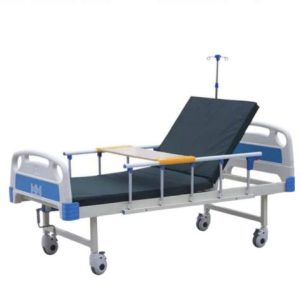
1.2 Low Air Loss Mattresses
Low air loss mattresses continuously circulate air across the patient’s body, maintaining a dry and comfortable environment. This is particularly beneficial for patients with sweating or incontinence issues.
Key Features:
-
Continuous airflow to reduce moisture
-
Adjustable firmness levels
-
Ideal for patients with fragile skin
Technical Specification Example:
| Feature | Detail |
|---|---|
| Material | Medical-grade PVC with breathable surface |
| Air Cells | 18–22 independent air cells |
| Load Capacity | Up to 200 kg |
| Power Supply | Standard AC with battery backup |
| Modes | Low, medium, high pressure |
Practical Tip: Use low air loss mattresses for long-term care patients to prevent skin maceration.
1.3 Lateral Rotation Mattresses
Lateral rotation mattresses gently rotate patients side to side at programmed intervals. This movement helps improve circulation and reduce the risk of pressure ulcers and pulmonary complications.
Key Features:
-
Programmable rotation cycles
-
Adjustable angles and speeds
-
Enhances respiratory function and circulation
Example: In a rehabilitation ward using Henyuan Medical lateral rotation mattresses, incidences of pressure injuries dropped by 50% among immobile patients.
1.4 Hybrid Air Mattresses
Hybrid mattresses combine alternating pressure and low air loss technologies for maximum comfort and therapeutic benefit. They are ideal for high-risk patients who require both pressure redistribution and moisture management.
Key Features:
-
Integrated alternating and low air loss modes
-
Multiple firmness levels for customized support
-
Advanced control panels for caregivers and patients
2. Why Air Mattresses are Critical in Patient Care
Preventing and treating pressure injuries
-
Alternating pressure:The mattress’s air cells inflate and deflate in a cycle, which shifts pressure points to different areas of the body, preventing one spot from being under constant pressure.
-
Reduced pressure and shear:By continuously redistributing weight, the mattress reduces pressure on tissues, while air circulation minimizes friction and shear forces on the skin.
-
Enhanced circulation:The pressure relief and gentle movements improve blood flow to vital tissues, promoting oxygenation and healing.
Improving comfort and skin integrity
-
Moisture and temperature control:“Low air loss” models have small holes that circulate air, helping to keep the skin cool, dry, and less prone to breakdown from sweat and moisture.
-
Enhanced comfort:The dynamic support provides comfort for bedridden patients who cannot reposition themselves frequently, reducing pain and discomfort.
Supporting other health needs
-
Pulmonary function:Some advanced air mattress systems include a percussion and vibration feature that helps loosen and move fluids in the lungs, which is beneficial for patients with respiratory issues.
-
Reduced workload for caregivers:Powered air surfaces automate some of the repositioning, which helps make the workload more manageable for healthcare staff.
-
Support in emergencies:Some modern mattresses are designed to be radiolucent and MRI compatible, allowing medical imaging without transferring the patient, which is critical in emergency situations.
Air mattresses are more than comfort tools; they play a vital role in patient safety:
-
Pressure Ulcer Prevention: Shifts pressure points and improves blood flow.
-
Comfort and Pain Reduction: Supports proper spinal alignment and reduces discomfort.
-
Caregiver Efficiency: Easy adjustments reduce manual repositioning efforts.
Real-Life Scenario: A long-term care facility integrated Henyuan Medical air mattresses for all bedridden patients. Nurses reported less frequent need for manual turning, saving time and reducing caregiver strain.
3. Technical Specifications Comparison
| Type | Cell Design | Pressure Control | Power Source | Best Use |
|---|---|---|---|---|
| Alternating Pressure | 18–22 air cells | Adjustable alternating | AC | High-risk pressure injury patients |
| Low Air Loss | Continuous airflow | Manual/automatic firmness | AC | Patients with sweating/incontinence |
| Lateral Rotation | Rotating air cells | Programmable rotation | AC | Immobile or post-surgery patients |
| Hybrid | Combined alternating & low air loss | Adjustable modes | AC | High-risk and long-term care patients |
4. Henyuan Medical Buying Guide: How to Choose the Right Mattress
To choose the right mattress, consider your primary sleeping position, body weight, and personal preferences for firmness and material. Side sleepers need a softer mattress for pressure relief on their shoulders and hips, while back and stomach sleepers generally need a firmer mattress for support. Always check the return policy and read customer reviews before buying.
Consider your sleeping position
-
Side sleepers:Look for a softer mattress to provide pressure relief for your shoulders and hips.
-
Back sleepers:A medium-firm mattress that supports the natural curve of your spine and allows for some hip sinkage is often ideal.
-
Stomach sleepers:A very firm mattress is best to keep your hips elevated and prevent your spine from arching uncomfortably.
-
Combination sleepers:A medium-firm mattress or one with a balance of support and comfort can work well.
Account for body weight
- Lighter individuals: A slightly softer mattress will feel more supportive than a firm one.
- Heavier individuals: A firmer mattress will provide more support and prevent you from sinking too deeply.
Evaluate mattress types and features
-
Materials:Different materials offer different feels. For example, innerspring mattresses are often bouncier, while memory foam can be better for pressure relief. Hybrid mattresses combine materials for a balance of features.
-
Firmness:This is subjective, but many side sleepers prefer a softer feel and back or stomach sleepers prefer a firmer feel.
-
Pressure relief:Important for side sleepers to prevent pain at pressure points like the shoulders and hips.
-
Spinal alignment:The mattress should support the natural curve of your spine to prevent back pain.
-
Temperature control:If you sleep hot, look for mattresses with features like cooling gels or breathable materials.
-
Motion isolation:Beneficial if you share a bed with a partner who moves a lot.
When selecting an air mattress, consider the following factors:
-
Patient Risk Level: High-risk patients may benefit from alternating or hybrid mattresses.
-
Duration of Use: Long-term bedridden patients require low air loss or hybrid mattresses for comfort and skin health.
-
Bed Compatibility: Ensure mattress dimensions match hospital or home bed frames.
-
Adjustability & Control: Look for adjustable pressure and rotation cycles.
-
Maintenance & Cleaning: Removable, washable covers and durable air cells ensure hygiene and longevity.
Expert Tip: For home care, consider hybrid mattresses from Henyuan Medical with dual control panels, allowing both patient and caregiver adjustments.
5. Practical Tips for Using Air Mattresses
Inflation and placement
-
Inflate properly:Avoid both under-inflation, which can cause back pain, and over-inflation, which can damage the mattress and make it stiff. Find a firmness level that feels comfortable to you.
-
Use a frame or platform:Elevating the air mattress on a bed frame or a sturdy platform can make it feel more like a traditional bed and improve its feel.
-
Find a level spot:Set up the mattress on a flat, clean surface, and clear any debris like twigs or rocks that could puncture it, especially when camping.
-
Insulate from the ground:Place a thick blanket, foam pad, or reflective foil mat underneath the air mattress to block the cold air seeping up from the floor.
Adding comfort and warmth
-
Add a topper:A mattress topper, such as memory foam or down, adds a layer of comfort and helps trap body heat.
-
Use good bedding:Opt for high-quality sheets and add warm blankets or a duvet. Flannel or fleece can provide extra insulation.
-
Incorporate extra pillows and throws:These can provide additional cushioning and make the sleeping area more inviting.
Maintenance and safety
-
Keep away from heat:Air mattresses can rupture if placed near heat sources like heaters or direct sunlight, which can cause the air inside to expand.
-
Check for leaks:Regularly inspect the mattress for any holes or damage. Check that valves and connectors are intact.
-
Avoid certain items:Do not use heated blankets with air mattresses, and keep hot items like hair dryers away from the material.
-
Keep it clean:Wash bedding and air mattress covers regularly with warm, soapy water to prevent the build-up of oils.
-
-
-
Regular Monitoring: Check air pressure settings and inspect cells for leaks.
-
Proper Positioning: Align mattress properly to the bed frame.
-
Routine Cleaning: Clean surfaces weekly to prevent infection.
-
Patient Education: Teach patients how to use controls safely if they are mobile.
6. Summary
In conclusion, understanding the types of air mattresses for hospital beds is essential for maximizing patient comfort, safety, and care efficiency. Henyuan Medical offers a comprehensive range:
-
Alternating Pressure Mattresses – Ideal for pressure ulcer prevention.
-
Low Air Loss Mattresses – Maintain dry, comfortable skin.
-
Lateral Rotation Mattresses – Improve circulation and reduce complications.
-
Hybrid Mattresses – Combine the benefits of multiple technologies.
By carefully selecting the right mattress type, healthcare providers and home caregivers can enhance patient outcomes, prevent injuries, and improve overall comfort.
