

Hospital bedding includes specialized items designed for patient comfort, hygiene, and the unique needs of a clinical setting. The materials are durable, breathable, and capable of withstanding frequent, high-temperature washing to prevent infection.
Sheets
Hospital sheets are available in both reusable and disposable varieties, made from durable, easy-to-clean materials like cotton or a polyester-cotton blend.
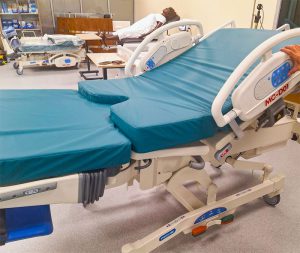
- Fitted sheets: These have elasticized corners to fit snugly over a hospital mattress and prevent wrinkling, which can cause discomfort or friction for the patient.
- Flat sheets: Also known as top sheets, these are placed over the patient for comfort and can be easily changed.
- Draw sheets: These are smaller sheets placed horizontally across the middle of the bed. They assist caregivers in repositioning patients to prevent bedsores and skin shearing.
- Anti-friction sheets: For patients at high risk of bedsores, specialty sheets may feature slicker panels to reduce friction and make repositioning easier.
- Disposable sheets: Single-use sheets, often made from paper or non-woven materials, are used in emergency rooms or isolation settings to prevent cross-contamination.
Protective covers and pads
Additional layers are used to protect the mattress and patient from moisture and spills.
- Underpads (Chux): These incredibly absorbent pads are placed over or under the bottom sheet to soak up fluids and protect the mattress, especially for incontinent patients.
- Waterproof mattress covers: Made from materials like vinyl, these fit securely over the mattress to provide a barrier against liquids.
- Reusable waterproof sheeting: Heavy-duty, washable pads offer an extra layer of protection for the mattress and patient.
Blankets
Hospital blankets are chosen for warmth, durability, and ease of cleaning.
- Thermal blankets: Made from cotton, these lightweight blankets offer insulation and are designed to provide warmth while still being breathable.
- Fleece blankets: These are used for added comfort and warmth.
- Bath blankets: A flannel-like covering used during a bed bath to keep a patient warm and ensure privacy.
- Disposable blankets: Designed for single-use situations to prevent the spread of infection.
Pillows and cases
Hospital pillows prioritize hygiene, support, and patient comfort.
- Reusable pillows: These pillows are treated with antimicrobial and antifungal agents and have a fluid-resistant vinyl cover that can be wiped clean.
- Disposable pillows: Single-patient-use pillows with breathable, non-woven covers are used to prevent cross-contamination.
- Pillowcases: These form a protective barrier against allergens and dust mites and can be changed easily between patients.
What other features differentiate hospital bed linens?
Specialized hospital linens are differentiated by several features focused on infection control, durability, and patient safety. Unlike standard home bedding, which prioritizes comfort, hospital bedding is engineered to meet stringent hygiene and functional demands.
Hygienic and protective features
- Antimicrobial properties: Many hospital linens are infused with antimicrobial agents, such as silver-infused fibers or specific chemicals, that inhibit the growth of bacteria and other microbes. This is a critical line of defense against hospital-acquired infections (HAIs) and is effective through repeated industrial wash cycles.
- Fluid resistance: Bedding often has a fluid-resistant layer to prevent liquids from penetrating the mattress and other surfaces. This protects the mattress from contamination, extends its life, and helps keep the patient dry and hygienic.
- Stain resistance: Linens are designed to be easily cleanable and resistant to common stains found in clinical environments, such as blood or other bodily fluids.
Durability and laundry standards
- Withstands industrial laundering: Hospital linens are built to endure frequent and intense washing at high temperatures, which is necessary for sterilization. Their materials and seams are reinforced to prevent tearing, fraying, and premature wear.
- Color coding: To simplify sorting and track inventory, bedding may be color-coded. Different colors can designate sizes, departments, or other uses, such as surgical scrubs or maternity ward linens.
- RFID tracking: Many hospital textiles now feature embedded RFID (Radio Frequency Identification) tags. These washable, discreet tags enable automated tracking of linens throughout the entire hospital laundry cycle. This helps reduce loss rates, ensure proper sterilization, and provide accurate inventory management.
Patient safety and comfort
- Fire retardant: For patient safety, some medical bedding, including mattresses and blankets, is treated to be fire retardant and compliant with safety standards.
- Anti-shearing material: For patients with limited mobility, linens may feature slick, anti-friction panels or specialized fabric blends to aid in repositioning. This helps reduce the friction that can lead to skin shearing and painful bedsores.
- Hypoallergenic: Linens are often made from hypoallergenic materials, such as specific cotton blends, to reduce the risk of skin irritation or allergic reactions in sensitive patients.
Fit and design
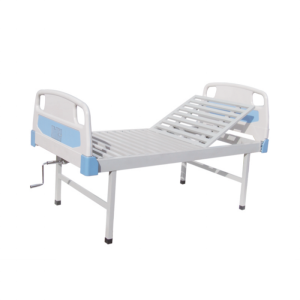
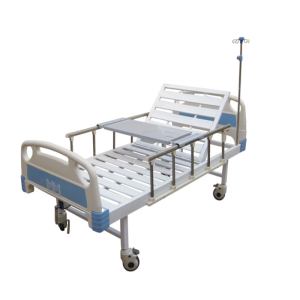
- Specialized sizes: Hospital beds have unique dimensions and are adjustable, so standard-sized sheets do not fit properly and can bunch up uncomfortably. Hospital linens are sized specifically for adjustable medical beds, with some fitted sheets featuring extra-deep pockets or elastic edges to stay secure.
- Woven vs. knitted fabric: The fabric’s weave or knit also makes a difference. Woven fabrics offer more stability, while knitted fabrics can stretch, making them a good option for adjustable beds where sheets might come loose with frequent movement.
