

Types of Hospital Chairs for Patients: A Complete Guide
Choosing the right seating is just as important as selecting hospital beds or medical carts. The types of hospital chairs for patients directly affect patient comfort, mobility, safety, and overall care quality.
At Hengyuan Medical, we design and manufacture a full range of hospital chairs, patient seating, and medical recliner chairs for hospitals, clinics, and long-term care facilities. This guide provides a comprehensive overview of the most common hospital chair types, their functions, technical features, and how to choose the right solution for different healthcare environments.
Why Hospital Chairs Matter in Patient Care
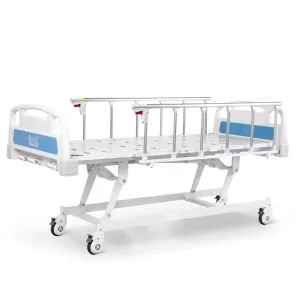
When discussing hospital furniture, beds often receive the most attention. However, hospital chairs play an equally critical role in patient care. From patient rooms and hospital wards to clinics and long-term care facilities, hospital chairs directly influence comfort, mobility, safety, recovery outcomes, and overall patient experience.
Understanding why hospital chairs matter helps healthcare providers choose the right types of hospital chairs for patients based on real clinical needs rather than appearance or price alone.
Supporting Daily Patient Activities Beyond the Bed
Patients do not remain in bed all day. Many essential daily activities require safe and comfortable seating, including:
-
Eating meals
-
Reading or social interaction
-
Meeting with doctors or family members
-
Rehabilitation and mobility training
A properly designed patient chair enables patients to transition safely from lying to sitting positions, promoting both physical activity and psychological well-being.
Improving Patient Comfort and Reducing Fatigue
Extended bed rest can cause discomfort, muscle stiffness, and pressure-related issues. Hospital chairs, especially patient recliner chairs, provide alternative seating positions that help:
-
Relieve pressure points
-
Improve posture
-
Reduce muscle fatigue
-
Increase overall comfort during long stays
In dialysis units, oncology centers, and post-operative recovery areas, comfortable medical seating is essential for treatments that last several hours.
Enhancing Patient Mobility and Independence
One of the most important roles of hospital chairs is supporting patient mobility. Chairs such as bedside chairs and riser recliner chairs help patients:
-
Sit upright safely
-
Stand up with assistance
-
Transfer between bed and chair
For elderly patients or individuals with limited strength, the right hospital chair can significantly reduce the risk of falls and encourage greater independence.
Reducing Caregiver Workload and Injury Risk
Hospital chairs are not only designed for patients—they also support caregivers. Ergonomic hospital seating helps reduce physical strain on healthcare staff by:
-
Minimizing lifting requirements
-
Supporting safe patient transfers
-
Allowing caregivers to assist patients more efficiently
In high-demand hospital wards, well-designed patient seating improves workflow and reduces injury risks for medical staff.
Supporting Infection Control and Hygiene Standards
Unlike standard furniture, hospital chairs for patients must comply with strict hygiene and infection control requirements.
Key design considerations include:
-
Non-porous, medical-grade upholstery
-
Easy-to-clean surfaces
-
Resistance to disinfectants and cleaning agents
At Hengyuan Medical, hospital chairs are engineered with materials that support routine sanitation and infection prevention protocols.
Improving Mental Well-Being and Patient Experience
The psychological impact of seating is often underestimated. Comfortable and well-designed patient room seating can:
-
Reduce feelings of confinement
-
Improve patient mood
-
Encourage social interaction
-
Create a more welcoming care environment
Providing suitable hospital chairs contributes to a more positive overall patient experience, especially during long-term or repeated treatment.
Adapting to Different Care Environments
Healthcare facilities are not one-size-fits-all. Different care environments require different types of hospital chairs:
-
Hospital wards: bedside chairs and patient chairs
-
Clinics: compact medical seating
-
Rehabilitation centers: riser recliner chairs
-
Long-term care facilities: recliner and mobility-support chairs
Understanding these needs helps facilities select the most appropriate types of hospital chairs for patients.
Long-Term Cost Efficiency for Healthcare Facilities
Investing in the right hospital chairs reduces long-term costs by:
-
Minimizing replacements
-
Lowering maintenance needs
-
Improving durability in high-use environments
High-quality hospital seating, such as that provided by Hengyuan Medical, delivers better value over time compared to standard furniture solutions.
Summary: Why Hospital Chairs Are Essential in Patient Care
Hospital chairs are far more than basic seating. They are essential tools that support:
-
Patient comfort and recovery
-
Safe mobility and independence
-
Caregiver efficiency
-
Infection control compliance
-
Positive patient experience
By understanding why hospital chairs matter in patient care, healthcare providers can make informed decisions when selecting the right types of hospital chairs for patients.
Hospital chairs are used in almost every stage of patient care, including:
-
Daily resting and sitting
-
Eating and social interaction
-
Rehabilitation and mobility training
-
Post-operative recovery
-
Long-term and elderly care
Unlike standard furniture, hospital chairs for patients must meet strict requirements for durability, hygiene, ergonomics, and safety.
Overview: Main Types of Hospital Chairs for Patients
Based on real-world hospital use and industry classification, hospital chairs generally fall into the following categories:
-
Patient Chairs for Hospital Rooms
-
Hospital Bedside Chairs
-
Patient Recliner Chairs
-
Riser Recliner Chairs
-
Visitor and Family Chairs
-
Specialist and Medical Seating
Each type serves a different purpose and care level.
1. Patient Chairs for Hospital Rooms
Patient chairs are standard seating solutions placed in patient rooms and wards. They are designed for daily use by patients who can sit independently.
Key Features
-
Upright seating position
-
Ergonomic back support
-
Easy-to-clean surfaces
-
Stable, non-slip legs or castors
Typical Applications
-
General hospital wards
-
Clinics and outpatient rooms
-
Patient recovery areas
At Hengyuan Medical, our patient room seating is designed to balance comfort, durability, and infection control.
2. Hospital Bedside Chairs
Hospital bedside chairs are positioned next to patient beds and are among the most commonly used hospital chairs.
Why Bedside Chairs Are Essential
-
Assist patients when getting in and out of bed
-
Support short-term sitting and rest
-
Provide seating for caregivers during bedside care
Common Characteristics
-
Compact footprint
-
High weight capacity
-
Easy repositioning
-
Optional armrests for support
Bedside chairs are especially common in hospital wards and long-term care facilities.
3. Patient Recliner Chairs
Patient recliner chairs offer adjustable seating positions and are widely used for extended sitting and recovery.
Functional Advantages
-
Reclining backrest
-
Leg support
-
Pressure relief for long sitting periods
-
Improved patient comfort
Use Cases
-
Post-operative recovery rooms
-
Dialysis and infusion areas
-
Oncology treatment centers
At Hengyuan Medical, our medical recliner chairs are engineered for smooth adjustment and long-term durability.
4. Riser Recliner Chairs (Mobility Support Chairs)
A riser recliner chair is a specialized patient chair designed to assist patients in standing up safely.
Key Benefits
-
Lift-assist function
-
Reduced strain on knees and hips
-
Enhanced independence for elderly patients
Ideal For
-
Rehabilitation centers
-
Elderly care facilities
-
Patients with limited mobility
These chairs play a crucial role in patient mobility training and fall prevention.
5. Visitor and Family Chairs
Visitor chairs support family members who accompany patients during treatment or recovery.
Design Focus
-
Comfortable but compact design
-
Durable materials for high-traffic use
-
Visual harmony with patient room furniture
Although not used directly by patients, visitor seating improves overall patient experience.
6. Specialist and Medical Seating
Some healthcare environments require specialist medical seating, such as:
-
Bariatric patient chairs
-
Clinical exam chairs
-
Long-term care seating
-
Transport and transfer chairs
These chairs are designed to meet specific clinical needs and regulatory requirements.
Technical Specifications: Typical Hospital Chair Parameters
Below is a sample technical overview for Hengyuan Medical hospital chairs:
| Parameter | Typical Specification |
|---|---|
| Frame Material | Powder-coated steel |
| Upholstery | Medical-grade PU or vinyl |
| Weight Capacity | 150–250 kg (depending on model) |
| Seat Height | 450–520 mm |
| Armrests | Fixed or removable |
| Mobility | Static legs or lockable castors |
| Cleaning | Disinfectant-resistant surface |
Real-World Applications and Case Examples
Case 1: General Hospital Ward
A regional hospital equipped its wards with Hengyuan Medical bedside chairs and patient chairs, improving patient independence and reducing caregiver workload.
Case 2: Dialysis Center
Patient recliner chairs were installed to support long treatment sessions, significantly improving patient comfort and satisfaction.
Case 3: Elderly Care Facility
Riser recliner chairs were introduced to help residents stand safely, reducing fall incidents and caregiver strain.
How to Choose the Right Hospital Chair for Patients
How to Choose the Right Hospital Chair for Patients
Choosing the right hospital chair for patients requires more than selecting a comfortable seat. Hospitals, clinics, and care facilities must balance patient comfort, safety, mobility support, hygiene standards, and long-term durability. Understanding these factors helps decision-makers select the most suitable types of hospital chairs for patients based on real care needs.
Below is a detailed, professional guide used by healthcare furniture buyers worldwide.
1. Assess the Patient’s Mobility Level
The first and most important consideration is patient mobility.
-
Fully mobile patients benefit from standard patient chairs or bedside chairs.
-
Partially mobile patients require chairs with armrests, stable frames, or recliner functions.
-
Limited-mobility patients often need patient recliner chairs or riser recliner chairs to assist with standing and sitting.
Matching chair type to mobility level significantly reduces fall risk and caregiver strain.
2. Define the Care Environment
Different healthcare environments require different hospital seating solutions.
| Care Environment | Recommended Chair Types |
|---|---|
| General hospital wards | Bedside chairs, patient chairs |
| Clinics & outpatient rooms | Compact medical chairs |
| Rehabilitation centers | Recliner chairs, riser recliners |
| Long-term care facilities | Patient recliner chairs |
| Dialysis & infusion centers | Medical recliner chairs |
Selecting the right chair type ensures efficient use of space and better patient outcomes.
3. Prioritize Safety and Stability
Safety is non-negotiable when selecting hospital chairs for patients.
Key safety features include:
-
Anti-slip legs or lockable castors
-
Stable frame construction
-
Rounded edges to prevent injury
-
Strong armrests for support
At Hengyuan Medical, all hospital chairs are designed to meet clinical safety expectations for daily use.
4. Consider Patient Comfort and Ergonomics
Comfort directly affects patient satisfaction and recovery.
Important ergonomic factors:
-
Proper backrest angle
-
Adequate seat depth and width
-
Pressure-relieving cushioning
-
Supportive armrests
Patient recliner chairs are particularly valuable for patients who must remain seated for extended periods.
5. Evaluate Hygiene and Infection Control
Hospital chairs must comply with strict hygiene standards.
What to look for:
-
Medical-grade, non-porous upholstery
-
Easy-to-clean surfaces
-
Resistance to disinfectants
-
Minimal seams and crevices
These features help reduce infection risk and support routine sanitation protocols.
6. Check Load Capacity and Durability
Hospital chairs experience frequent, intensive use.
Recommended specifications:
-
High load-bearing capacity (typically 150–250 kg)
-
Reinforced steel frame
-
Durable upholstery resistant to wear
For bariatric patients, specialized medical seating with enhanced capacity is essential.
7. Choose the Right Level of Adjustability
Not all patients need adjustable chairs, but adjustability adds flexibility.
Adjustable features may include:
-
Reclining backrest
-
Leg support
-
Height adjustment
-
Lift-assist function
Choosing the appropriate level of adjustability avoids unnecessary complexity while meeting patient needs.
8. Ensure Compatibility With Accessories
Hospital chairs often work together with other medical furniture.
Common compatible accessories:
-
IV poles
-
Overbed tables
-
Bedside cabinets
Compatibility increases usability across different care scenarios.
9. Balance Aesthetics With Clinical Function
Modern healthcare environments increasingly focus on patient-centered design.
Well-designed patient room seating:
-
Creates a welcoming atmosphere
-
Reduces patient stress
-
Integrates visually with hospital interiors
At Hengyuan Medical, we combine functional performance with professional medical aesthetics.
10. Consider Long-Term Cost and Value
The lowest-priced chair may not offer the best value.
A high-quality hospital chair provides:
-
Longer service life
-
Lower maintenance costs
-
Better patient and staff satisfaction
Evaluating total cost of ownership leads to smarter purchasing decisions.
11. Select a Reliable Supplier
Choosing a trusted manufacturer ensures consistent quality and support.
Key supplier criteria:
-
Experience in healthcare furniture manufacturing
-
Quality control systems
-
Customization capability
-
After-sales service
Hengyuan Medical offers a complete range of hospital chairs with professional support from selection to delivery.
Hospital Chair Selection Checklist
Before making a final decision, confirm the following:
✔ Chair type matches patient mobility level
✔ Suitable for the intended care environment
✔ Safe, stable, and durable construction
✔ Easy to clean and disinfect
✔ Comfortable and ergonomic design
✔ Reliable supplier support
Final Thoughts
Selecting the right hospital chair for patients is essential to providing safe, comfortable, and efficient care. By carefully evaluating mobility needs, environment, safety, hygiene, and supplier reliability, healthcare providers can choose the most appropriate types of hospital chairs for patients.
With professional design and manufacturing expertise, Hengyuan Medical hospital chairs help healthcare facilities deliver better patient outcomes and long-term value.
1. Define the Care Level
Is the chair for short-term sitting, long-term recovery, or mobility support?
2. Consider Patient Mobility
Patients with limited mobility benefit from recliner or riser recliner chairs.
3. Check Load Capacity and Stability
Ensure chairs meet weight and safety requirements.
4. Prioritize Hygiene and Cleaning
Medical-grade upholstery is essential for infection control.
5. Match the Environment
Choose designs suitable for patient rooms, wards, or clinics.
Why Choose Hengyuan Medical?
Hengyuan Medical provides comprehensive medical seating solutions, including:
-
Patient chairs
-
Hospital bedside chairs
-
Medical recliner chairs
-
Riser recliner chairs
-
Visitor and healthcare seating
We focus on quality manufacturing, functional design, and global healthcare standards.
Conclusion
Understanding the types of hospital chairs for patients is essential for creating safe, comfortable, and efficient healthcare environments. From patient room seating to recliner and riser recliner chairs, each type plays a vital role in patient care.
With professional design and proven performance, Hengyuan Medical hospital chairs help healthcare providers improve patient comfort, safety, and overall care quality.
