

What’s the Purpose of the Air Hospital Bed? A Complete Guide to Henyuan Medical Air Mattresses
When it comes to patient care in hospitals or home care, the right hospital bed can make a significant difference. One of the most critical innovations in patient support is the air hospital bed. So, what’s the purpose of the air hospital bed, and why are healthcare providers increasingly choosing them? In this guide, we will explore the benefits, technology, and practical applications of Henyuan Medical air mattresses, covering everything from pressure ulcer prevention to mattress selection tips.
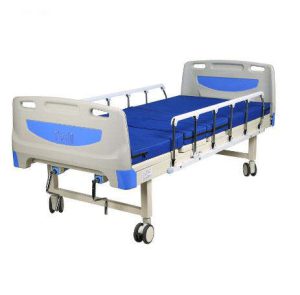
Understand The Purpose of the Air Hospital Bed
Primary functions
-
Pressure ulcer prevention and treatment:
By cyclically inflating and deflating air cells, the bed constantly shifts the patient’s weight to prevent prolonged pressure on vulnerable areas like the back and heels. This improves blood flow and helps heal existing ulcers.
-
Improved circulation:
The constant, gentle shifting of pressure prevents blood flow from being restricted, which is crucial for tissue health and healing.
-
Moisture and temperature management:
Low air loss mattresses have tiny holes to allow air to pass through, which helps keep the skin cool and dry by managing moisture from sweat. This reduces the risk of skin breakdown.
-
Enhanced comfort:
The air cells conform to the body’s shape, providing more personalized and comfortable support compared to a traditional mattress.
-
Assisted repositioning:
Some air beds, particularly those with lateral rotation, can gently and automatically turn the patient from side to side. This helps with breathing, circulation, and preventing skin breakdown in a way that is less physically demanding for caregivers.
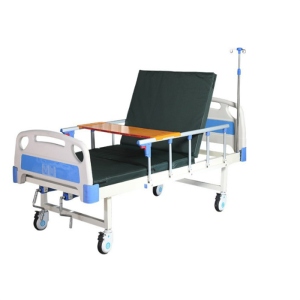
Types of air beds and their specific uses
-
Alternating Pressure Air Mattress:
Inflates and deflates air cells in a cycle to constantly change pressure points. Best for preventing and treating pressure ulcers by improving blood flow.
-
Low Air Loss Mattress:
Features tiny air holes to blow air upwards, which helps manage moisture and keep the skin cool and dry. Excellent for patients who sweat excessively or have moisture-related skin issues.
-
Lateral Rotation Mattress:Automatically and gently rotates the patient from side to side. Beneficial for patients with pulmonary issues, as it helps move secretions in the lungs, and also improves blood circulation.
Air hospital beds are designed to improve patient comfort, redistribute weight, and prevent skin and tissue damage. Unlike traditional hospital mattresses, air mattresses feature alternating pressure or low air loss technology, which allows them to inflate and deflate in cycles. This mechanism helps prevent prolonged pressure on vulnerable areas, which is especially important for bedridden patients or those with limited mobility.
Key Functions:
-
Pressure Redistribution: By alternating inflation, the bed reduces pressure points that could lead to pressure ulcers or bedsores.
-
Improved Circulation: Regularly changing pressure promotes blood flow, preventing tissue ischemia.
-
Enhanced Comfort: Patients experience less discomfort during prolonged stays.
-
Moisture Management: Low air loss mattresses also help control moisture, reducing skin breakdown risk.
Technical Parameters of Henyuan Medical Air Mattresses
To make an informed choice, it is essential to understand the technical parameters of air hospital beds. Here is a sample specification table for Henyuan Medical air mattresses:
| Parameter | Description |
|---|---|
| Mattress Type | Alternating Pressure / Low Air Loss |
| Material | Medical-grade PVC with antimicrobial coating |
| Max Weight Capacity | 250 kg (550 lbs) |
| Air Cells | 18–22 independent cells |
| Inflation Cycle | Adjustable 5–15 minutes |
| Power Supply | AC 110-240V, DC 12V backup |
| Pressure Settings | Soft, Medium, Firm |
| Warranty | 2 years |
This table highlights the key features that ensure patient safety, comfort, and skin protection.
Benefits of Henyuan Medical Air Hospital Beds
Patient benefits
-
Pressure ulcer prevention:
By alternating pressure points, these beds prevent constant pressure on areas like the hips, back, and heels, which is a major cause of pressure ulcers (bedsores).
-
Improved circulation:
The dynamic movement of air helps stimulate blood flow, which is crucial for skin health and tissue oxygenation, especially for those who are immobile.
-
Enhanced comfort:
Patients can experience a higher level of comfort because the mattress can be customized to their needs, and the constant pressure relief reduces pain.
-
Better sleep quality:
Improved comfort and reduced pressure lead to more restful and deeper sleep, which can aid in the body’s healing process.
Caregiver and hospital benefits
-
Reduced physical strain:
Some models can automatically reposition patients or use a low-friction air cushion to assist with lateral transfers, significantly reducing the risk of musculoskeletal injuries for healthcare staff.
-
Improved efficiency:
Air-assisted transfer mattresses have been shown to reduce transfer times, leading to greater workflow efficiency in hospitals.
-
Hygiene:The surfaces of air mattresses are often waterproof and easy to clean, which helps with infection control in a healthcare environment.
1. Prevent Pressure Ulcers
One of the main reasons hospitals adopt air hospital beds is to prevent pressure ulcers. Patients who are immobile for long periods are at high risk for skin breakdown. Alternating pressure mattresses redistribute weight evenly and reduce prolonged pressure on bony areas, such as the sacrum, heels, and shoulders.
2. Improve Circulation
The continuous inflation and deflation of air cells promote better blood flow and oxygen delivery to tissues. This is particularly critical for patients with chronic conditions, limited mobility, or those recovering from surgery.
3. Enhance Patient Comfort
Henyuan Medical air mattresses are designed to minimize discomfort during extended bed rest. Adjustable pressure settings allow customization based on patient weight and medical needs, ensuring a more restful experience.
4. Moisture and Skin Care
Low air loss beds help in moisture management, keeping the skin dry and reducing the risk of skin maceration. This is especially useful for patients with incontinence issues.
Real-World Applications
Case Study 1: ICU Patient Recovery
A 65-year-old post-operative patient was at high risk of developing pressure ulcers due to immobility. Using a Henyuan Medical alternating pressure mattress, nurses observed improved circulation, no skin breakdown after two weeks, and enhanced patient comfort.
Case Study 2: Long-Term Home Care
A home-care patient with limited mobility used a low air loss mattress from Henyuan Medical. The adjustable pressure and moisture control prevented pressure sores, significantly improving quality of life and reducing caregiver workload.
How to Choose the Right Air Mattress
To choose the right air mattress, consider its size to fit your needs and space, and its height for comfort and ease of use. Select a pump type that is convenient for you, look for features like a flocked top for comfort, and prioritize air retention and stability to avoid sagging over time.
Key factors to consider
-
Size and space:
Choose a size appropriate for the number of sleepers (e.g., twin for one, queen for two) and the available space for setup. Measure the area to ensure there is enough room to move around the mattress.
-
Height:
Taller mattresses, like “high-rise” models, are easier to get in and out of, similar to a traditional bed.
-
Pump type:
Consider if the mattress has a built-in pump or requires an external one. Some models have both an automatic pump for quick inflation and a secondary pump for overnight adjustments.
-
Comfort and support:
Look for models with features like a flocked top for a softer feel, which also helps keep sheets from slipping. Some mattresses offer adjustable firmness for personalized comfort.
-
Durability and air retention:
Check for a mattress that holds air well, maintaining its firmness throughout the night to prevent sagging and a sore back.
-
Inflation and deflation:
Evaluate how quickly and easily the mattress can be set up and deflated. Some models have automatic pumps that can take several minutes to inflate.
-
Storage:Check the mattress’s overall size and weight when rolled up and if it comes with a storage bag, which is important for convenience and storage.
When selecting a hospital bed air mattress, consider the following:
-
Type of Mattress: Alternating pressure vs. low air loss. Alternating pressure is ideal for high-risk patients; low air loss works well for moisture control and comfort.
-
Weight Capacity: Ensure the mattress supports the patient’s weight, usually up to 250 kg.
-
Air Cell Count: More cells allow smoother pressure redistribution.
-
Adjustable Settings: Look for soft, medium, and firm options for personalized comfort.
-
Power Supply & Backup: Continuous operation is essential; backup DC power is a plus.
-
Ease of Cleaning: Medical-grade, antimicrobial surfaces reduce infection risk.
Additional Features of Henyuan Medical Air Hospital Beds
-
Quiet Operation: Minimizes noise from air pumps.
-
Mobility Support: Compatible with standard hospital bed frames.
-
User-Friendly Controls: Easy adjustment for caregivers and patients.
-
Durability: Long-lasting material and reinforced air cells.
Maximizing Benefits: Tips for Caregivers
-
Regular Position Changes: Even with air mattresses, occasional repositioning helps optimize pressure relief.
-
Monitor Skin Integrity: Check high-risk areas daily.
-
Adjust Pressure Settings: Customize according to patient weight and comfort levels.
-
Use Compatible Accessories: Bed sheets, overlays, and pillow supports enhance mattress performance.
Conclusion
So, what’s the purpose of the air hospital bed? Henyuan Medical air mattresses are designed to prevent pressure ulcers, improve circulation, enhance patient comfort, and manage moisture. With technical precision, adjustable pressure settings, and real-world applications in both hospitals and home care, they provide a comprehensive solution for patient safety and well-being.
By understanding the benefits, technical parameters, and practical applications, caregivers and healthcare facilities can make informed decisions, ensuring optimal patient care and comfort. Whether for long-term care, post-surgical recovery, or intensive care units, Henyuan Medical air hospital beds remain a vital tool in modern healthcare.
