

Why Do Hospital Beds Inflate and Deflate?
Modern hospital beds are no longer static metal frames — they are advanced medical devices designed to promote comfort, healing, and mobility. One of the most common questions caregivers and patients ask is: “Why do hospital beds inflate and deflate?”
The answer lies in pressure management technology — a system that uses alternating air cells to support the patient’s body, reduce pressure points, and enhance blood circulation. This technology is essential in preventing pressure ulcers, also known as bedsores, which are one of the leading complications in long-term patient care.
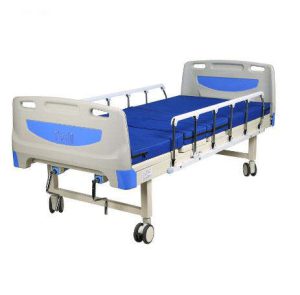
1. The Science Behind Alternating Pressure Mattresses
Key principles of alternating pressure mattresses
-
Pressure redistribution:The core function is to relieve pressure on the same points of the body for extended periods. By inflating some air cells while deflating others, the mattress moves pressure to different parts of the body in a regular cycle.
-
Improved circulation:The shifting pressure helps maintain capillary blood flow, which is crucial for delivering oxygen to tissues and preventing damage that can lead to pressure ulcers.
-
Reduced shear forces:The continuous, subtle movement minimizes shear forces—the friction and sliding forces that can occur when the body’s skin is pulled against the mattress surface—which is another major cause of pressure injuries.
-
Moisture control:The air circulation created by the alternating pressure can help regulate the skin’s moisture level, reducing the risk of moisture-related skin breakdown.
How they function
- A pump is connected to the mattress, which contains a series of interconnected air bladders or cells.
- The pump operates on a cycle, pushing air from one set of cells to another at set intervals (e.g., every few minutes), often in a pattern that is imperceptible to the user to avoid disrupting sleep.
- The cycle of inflation and deflation keeps the body from resting in one position for too long.
- Some advanced systems may incorporate sensors to adjust pressure based on individual weight and height, tailoring the pressure redistribution more precisely to the user’s needs.
- The system can often be switched to “static mode” to provide constant support or “sitting mode” for extra inflation when a person is sitting up.
Henyuan Medical’s alternating pressure air mattress systems use a network of interconnected air bladders or cells that inflate and deflate in a programmed cycle.
This controlled movement redistributes body weight and simulates gentle movement to prevent prolonged pressure on any single area.
Key Benefits
-
Pressure Relief: Continuous air exchange reduces stress on skin and tissues.
-
Improved Circulation: Alternating inflation promotes blood flow and oxygenation.
-
Comfort Adjustment: Patients feel gentle movement that mimics natural shifting during sleep.
-
Wound Care Support: Reduces the risk of pressure ulcers and enhances healing for existing wounds.
2. Understanding Low Air Loss Systems
How they work
-
Low Air Loss:A pump blows air through microscopic holes on the surface of the mattress. This creates a gentle, constant airflow that helps wick moisture and reduce heat, keeping the skin dry.
-
Alternating Pressure:Many low air loss mattresses also have internal air cells that alternately inflate and deflate in a set pattern. This shifts the patient’s weight from one pressure point to another, relieving constant pressure on any one area of the body.
-
Combined features:Many advanced therapeutic mattresses combine both low air loss and alternating pressure to provide both moisture control and pressure redistribution in one system.
Benefits
-
Pressure ulcer prevention:By redistributing weight and reducing pressure, these mattresses help prevent the formation of bedsores (pressure ulcers).
-
Moisture and temperature control:The continuous airflow helps manage heat and perspiration, which is crucial for preventing skin breakdown.
-
Improved comfort:The system provides a more comfortable sleeping surface and can help with pain relief by reducing pressure on bony areas.
-
Wound healing support:The combination of pressure relief and moisture management creates an environment that is conducive to healing existing skin breakdown and ulcers.
Who can benefit
- Individuals with limited mobility who cannot reposition themselves.
- Those who are bedridden for extended periods.
- Patients who are at high risk for developing pressure ulcers.
- Individuals with existing pressure ulcers or skin breakdown.
- Patients with conditions such as paralysis, burns, or multiple surgeries.
Another advanced technology integrated into Henyuan Medical’s hospital beds is the Low Air Loss (LAL) system.
This design features micro-perforated air cells that allow air to flow through the mattress surface, creating a cooler and drier microclimate.
| Feature | Function | Benefit |
|---|---|---|
| Air Circulation | Continuous airflow through microholes | Reduces heat and moisture buildup |
| Pressure Redistribution | Alternating inflation patterns | Minimizes pressure points |
| Skin Protection | Dry surface and temperature control | Prevents maceration and skin breakdown |
| Quiet Operation | Low-noise air pump | Improves patient comfort and rest |
LAL mattresses are particularly suitable for patients with fragile skin, limited mobility, or chronic wound risks.
3. Rotating and Lateral Rotation Mattresses
Beyond standard alternating pressure, rotating air mattresses and lateral rotation mattresses take innovation even further.
These systems inflate and deflate in sequence, allowing the patient’s body to gently turn from side to side.
How It Works
-
Air chambers on one side inflate, while the opposite side deflates, rotating the patient up to 30°–40°.
-
This mimics manual repositioning, reducing the need for frequent caregiver intervention.
-
Improves respiratory function and blood flow, while significantly lowering the risk of lung congestion and pressure ulcers.
Typical Use Cases
-
ICU and long-term bedridden patients
-
Post-surgery recovery
-
Patients requiring pulmonary therapy support
4. How Airflow Mattresses Relieve Pressure Sores
Henyuan Medical’s airflow mattresses combine ventilation channels with alternating air cells to regulate moisture and temperature.
This helps maintain an ideal microclimate, preventing sweat accumulation and skin maceration, both major contributors to wound development.
Case Example:
A long-term care facility in Singapore switched from standard foam mattresses to Henyuan Medical’s low air loss systems.
Within three months, the incidence of pressure ulcers among immobilized patients dropped by 60%, while caregivers reported improved comfort feedback from patients.
How airflow mattresses work
-
Alternating pressure:A pump connected to the mattress sends air into the different air cells in a continuous, rhythmic cycle.
-
Weight redistribution:As one set of cells deflates, another set inflates, which constantly shifts the points of pressure on the body. This prevents prolonged pressure on any single area, which is the primary cause of pressure sores.
-
Promotes circulation:The movement of the air cells ensures that blood flow is not consistently restricted, which helps maintain healthy tissue and promotes healing.
-
Reduces moisture:Some mattresses have a “low air loss” feature that circulates air through the mattress surface, which helps to reduce sweat and moisture buildup that can soften and damage the skin.
Who benefits from airflow mattresses
- Individuals with limited mobility, such as those who are bedridden.
- People with spinal cord injuries, stroke survivors, or other medical conditions that impact blood flow (like diabetes).
- Those who are at risk for developing pressure sores.
- Individuals who need to prevent or treat existing pressure ulcers.
5. Technical Specifications of Henyuan Medical Air Mattress Systems
| Model | Type | Air Cell Count | Inflation Cycle | Max Load | Noise Level | Features |
|---|---|---|---|---|---|---|
| HM-AP200 | Alternating Pressure | 18 | 12 min | 180 kg | <30 dB | Alternating air cells, static mode |
| HM-LAL300 | Low Air Loss | 20 | 10 min | 200 kg | <32 dB | Airflow control, moisture reduction |
| HM-LR400 | Lateral Rotation | 22 | 15 min rotation | 220 kg | <35 dB | Automatic rotation, programmable tilt |
| HM-ICU500 | Hybrid ICU Bed System | 24 | Adjustable | 250 kg | <28 dB | Combined pressure + rotation system |
These technical features ensure that every Henyuan Medical hospital bed meets international patient safety standards, offering both comfort and medical-grade pressure management.
6. Choosing the Right Hospital Bed or Air Mattress
Hospital bed features
-
Adjustability:Look for electric controls for adjusting the bed’s height, and the head and foot sections to improve comfort and caregiver access.
-
Side rails:These provide safety for the patient and can assist with transfers, especially for those with limited mobility.
-
Durability and capacity:Ensure the bed has a sturdy frame and a weight capacity that accommodates the user and any medical equipment.
-
Ease of use:Choose a bed with intuitive controls and consider the noise level of any motors for better rest.
-
Mobility:If the bed needs to be moved, select one with sturdy casters.
Air mattress features
-
Pressure relief:For patients at risk of pressure sores or with limited mobility, alternating pressure air mattresses are highly beneficial.
-
Pump and noise:Choose a pump that is efficient and quiet to avoid disturbing sleep. Some models have a low noise level.
-
Ease of use and maintenance:Look for an easy-to-set-up and maintain mattress with user-friendly controls. A waterproof and easily cleanable cover is essential for hygiene.
-
Weight capacity and safety:Ensure the air mattress has a sufficient weight capacity and safety features like a pressure relief valve and fire-resistant materials.
-
Comfort:Some models allow you to adjust the firmness level for personalized comfort.
Choosing between a bed and an air mattress
-
Long-term care:A full hospital bed system is a long-term investment that provides a wide range of features for a patient with significant care needs.
-
Pressure sore prevention:Air mattresses, especially alternating pressure models, are a more specialized solution for preventing and treating pressure sores.
-
Combined use:Many hospital beds are compatible with various mattress types, including air mattresses, allowing for a combination of features.
When selecting a hospital bed or mattress, consider the following key factors:
| Selection Factor | Recommendation |
|---|---|
| Patient Mobility | Choose rotating or lateral rotation beds for immobile patients. |
| Wound Risk Level | Low air loss or alternating pressure mattresses for high-risk cases. |
| Comfort Preferences | Adjustable firmness and noise level control enhance sleep quality. |
| Bed Frame Compatibility | Ensure mattress dimensions match hospital bed specifications. |
| Maintenance & Durability | Opt for replaceable air cells and washable covers. |
Henyuan Medical offers customizable air mattress systems compatible with standard hospital beds, ICU beds, and home care beds, ensuring flexible solutions for every care environment.
7. The Role of Inflation and Deflation in Patient Safety
Inflation and deflation cycles are not just about comfort — they are vital for patient safety.
Consistent air circulation prevents blood pooling, skin breakdown, and respiratory complications, while also minimizing the need for physical repositioning.
In clinical settings, this translates to:
-
Faster recovery times
-
Reduced caregiver workload
-
Improved patient satisfaction
8. Summary: Why Henyuan Medical Air Systems Stand Out
By integrating alternating pressure, low air loss, and rotational movement technologies, Henyuan Medical provides a comprehensive solution to modern hospital bed care.
These innovations not only answer why hospital beds inflate and deflate — they redefine how patient comfort and safety are achieved.
In essence, hospital beds inflate and deflate to replicate natural body movement, protect skin health, and promote better healing outcomes — and Henyuan Medical’s engineering ensures these benefits are maximized through smart, quiet, and reliable design.
