

Width of Hospital Bed: Complete Guide to Dimensions, Comfort, and Selection
Hospital beds are essential in healthcare facilities and home care, providing both comfort and safety to patients. One of the most important considerations in bed selection is the width of the hospital bed, which affects patient mobility, safety, and comfort. This guide, provided by HENYUAN Medical, explores the full spectrum of hospital bed widths, from standard to extra-wide and bariatric options, along with mattress compatibility, sheet sizing, and practical recommendations.
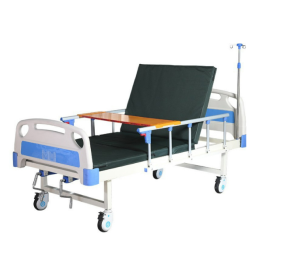
1. Understanding Hospital Bed Widths
Common hospital bed widths
| Type of Bed | Typical Width | Who It’s For |
|---|---|---|
| Standard | 36 inches | Most adult patients of average size. These beds are designed for compatibility with standard hospital bed mattresses and sheets. |
| Wide/Extra-Wide | 39 to 48 inches | Larger patients, those with a BMI over 45, or individuals who require extra space to move comfortably. This can be a standard bed with an extension kit. |
| Bariatric | 42 to 60 inches | Patients with higher body weight who need a reinforced frame and greater weight capacity, often up to 1,000 pounds. |
| Pediatric (Child) | 30 to 36 inches | Pediatric beds are smaller and are designed for children. They feature specialized safety rails that are higher than those on adult beds. |
| Pediatric (Infant Crib) | 24 to 30 inches | Specialized beds with high-security features designed for infants in a medical setting. |
Why bed width is important
- Patient safety and comfort: Using a bed that is too narrow for a patient can increase the risk of pressure ulcers (bedsores) and makes it more difficult for the patient to reposition themselves comfortably.
- Preventing caregiver injury: For larger patients, a wider bed and higher weight capacity reduce the physical strain on nurses and caregivers during transfers and repositioning. Many bariatric beds are fully electric to minimize the need for manual lifting.
- Mobility and transfers: An appropriately sized bed facilitates patient transfers in and out of the bed. It can also help patients who are mobile within the bed to move more independently.
- Accommodation of equipment: For patients requiring specific medical or rehabilitation equipment, a wider bed provides extra space for devices such as turners and brackets.
- Long-term care needs: For patients requiring extended stays, a wider bed can significantly improve overall comfort, leading to better rest and an improved recovery experience.
Hospital beds come in various widths to accommodate different patient needs. Width impacts not only comfort but also safety, caregiver accessibility, and the ability to install accessories like side rails.
Standard Width
-
Most hospital beds have a standard width of 36 inches (3 feet), which is adequate for most patients and fits well in standard hospital rooms or home care settings.
-
Length is usually 80 inches, aligning closely with twin or twin XL mattress sizes.
-
Standard beds are widely compatible with commercial hospital bed sheets and mattress accessories.
Example: HENYUAN Medical standard beds: 36″W x 80″L.
Extra-Wide and Adjustable Beds
For patients requiring more space or comfort, extra-wide beds are available:
| Bed Type | Width Options | Length | Key Features |
|---|---|---|---|
| Extra-Wide | 42″, 48″ | 80″ | Extra space for larger patients, easier repositioning |
| Bariatric | 42″–54″ | 80″ | High weight capacity, reinforced frame, compatible with bariatric mattresses |
| Adjustable/Modular | 36″–48″ | 80″ | Customizable width, accommodates split mattresses for dual care |
HENYUAN Medical offers both extra-wide and bariatric bed options to meet the needs of heavier or taller patients, while maintaining stability and safety standards.
2. Mattress Compatibility and Sheet Sizing
Mattress compatibility
- Standard: The most common home hospital beds accommodate a mattress that is 36 inches wide and 80 inches long. A standard hospital mattress is usually 6 inches thick.
- Extended length: For taller individuals, some hospital bed frames can be extended to accommodate a mattress that is 36 inches by 84 inches.
- Bariatric: Heavy-duty, bariatric beds are wider to provide extra support and comfort for heavier patients. The mattress can be 42 or 48 inches wide and 80 to 84 inches long.
Selecting a hospital bed also involves ensuring that mattresses and sheets fit properly:
-
Standard beds (36″W x 80″L) work with twin XL or standard hospital mattresses.
-
Extra-wide beds (42″–48″W) require wider mattresses and custom sheets.
-
Bariatric beds may need reinforced foam or alternating pressure mattresses to accommodate patient weight and prevent pressure sores.
Technical Tip: Always measure mattress width, bed frame internal width, and mattress thickness. Gap should be minimal (<1 inch) to prevent discomfort and safety hazards.
Example Table: Mattress and Bed Width Compatibility
| Bed Width | Mattress Width | Mattress Type | Notes |
|---|---|---|---|
| 36″ | 36″ | Standard foam | Standard patient size |
| 42″ | 42″ | Bariatric foam or air mattress | Supports patients up to 450 lbs |
| 48″ | 48″ | Bariatric / extra-wide foam | Dual patient comfort, hospital or home use |
3. Patient Comfort Considerations
Width plays a crucial role in patient comfort:
-
Mobility and Repositioning: Wider beds allow easier turning and repositioning for patients, reducing caregiver strain.
-
Pressure Redistribution: Extra-wide and bariatric beds can accommodate specialized mattresses such as alternating pressure or air mattresses, improving circulation and preventing bedsores.
-
Dual Care: Beds with widths over 48″ can allow two patients to share space temporarily in emergencies, with separate mattress zones.
HENYUAN Medical provides mattresses optimized for different bed widths to ensure patient safety and comfort.
4. Real-World Use Cases
Case Study 1: Standard Bed in Home Care
-
Patient: 75-year-old male, 5’10”, 180 lbs
-
Bed: HENYUAN Medical standard 36″W x 80″L hospital bed
-
Outcome: Adequate comfort, standard mattress fit, easy caregiver access for repositioning
-
Sheet Compatibility: Standard hospital bed sheets (36″ x 80″)
Case Study 2: Bariatric Bed in Healthcare Facility
-
Patient: 320 lbs, 6’2” male
-
Bed: HENYUAN Medical 48″ bariatric hospital bed
-
Outcome: Full support, reduced risk of pressure injuries, caregiver-friendly access
-
Special Feature: Air pressure mattress for pressure ulcer prevention
5. Selecting the Right Width for Different Settings
Hospital and Clinical Settings
-
Standard width (36″) for general patients
-
Extra-wide (42″–48″) for bariatric or high-comfort cases
-
Consider modular or adjustable width beds for flexible room usage
Home Care
-
36″ width is most compatible with home spaces
-
Adjustable beds allow customization of width and height for comfort and mobility
-
Always verify doorway width and room layout before selection
Bariatric Care
-
42″–54″ width recommended for heavier patients
-
Reinforced bed frame and specialized mattresses required
-
HENYUAN Medical provides bariatric-rated side rails, mattress supports, and lift options
6. Bed Sheet and Mattress Recommendations
Ensuring proper fit of bed sheets and mattresses is critical:
-
Standard Sheets: 36″ x 80″, mattress thickness up to 6″
-
Extra-Wide Sheets: 42″–48″ x 80″, thicker mattress compatibility
-
Bariatric Sheets: Custom sizes, up to 10″ mattress thickness, reinforced seams
HENYUAN Medical recommends hospital-grade sheets with elasticized edges to prevent slipping and ensure comfort.
7. Technical Guidelines and Safety Standards
Hospital bed width also impacts regulatory compliance and safety:
| Parameter | Recommendation | HENYUAN Medical Notes |
|---|---|---|
| Standard width | 36″ | Meets standard hospital room dimensions |
| Extra-wide width | 42″–48″ | Suitable for bariatric or high-comfort patients |
| Bed length | 80″ | Aligns with standard mattress lengths |
| Mattress gap | <1″ | Reduces risk of entrapment |
| Weight capacity | 450–600 lbs | Reinforced frames for bariatric use |
8. Summary Table: Width vs. Use Case
| Bed Width | Use Case | Mattress Type | Notes |
|---|---|---|---|
| 36″ | Standard | Foam / standard mattress | Home care, general hospital rooms |
| 42″ | Extra-Wide | Foam / air mattress | Bariatric patients, long-term care |
| 48″ | Extra-Wide | Foam / dual-zone air mattress | Bariatric, high-comfort, dual patient zones |
| 54″ | Bariatric | Reinforced mattress | High weight capacity, specialized care |
9. Key Takeaways
-
Width selection is crucial for patient comfort, safety, and mattress compatibility.
-
Standard beds (36″) suffice for most patients, while extra-wide and bariatric beds (42″–54″) address specialized needs.
-
HENYUAN Medical offers a full range of hospital bed widths with compatible mattresses, bed sheets, and side rails.
-
Proper measurement and assessment of room space, patient size, and weight is essential before purchase.
-
Technical compliance with healthcare regulations ensures safety and durability.
