

What is a Manual Bed? A Complete Guide to Henyuan Medical Manual Hospital Beds
When it comes to patient care, choosing the right hospital bed is essential for comfort, safety, and efficiency. One of the most reliable and cost-effective options available today is a manual hospital bed. In this article, we’ll explore what is a manual bed, the types offered by Henyuan Medical, their key features, technical specifications, and practical buying advice to help you make an informed decision.
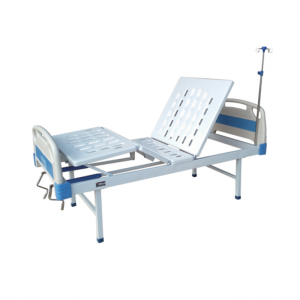
1. Introduction to Manual Beds
Key features and functions
- Manual adjustment: Uses hand cranks to adjust the bed’s height and position of the head and foot sections.
- Cost-effective: Generally more affordable than electric or semi-electric hospital beds.
- Simplicity and reliability: Simple to operate and maintain, with fewer electronic parts to fail.
- Patient positioning: Adjustable head and foot sections allow for positioning to aid with breathing, digestion, and comfort.
- Mobility: Often equipped with casters (wheels) to allow for easy movement and cleaning.
- Safety features: Can include side rails to prevent falls.
How they work
- Head/foot adjustment: A caregiver turns a crank to raise or lower the head and foot sections of the bed.
- Height adjustment: Some models use a crank to adjust the overall height of the bed.
- Variations: Some beds are “two-function,” adjusting the head and foot sections, while others might be “three-function,” adding height adjustment.
Considerations
-
Caregiver effort:Adjusting the bed requires physical effort from a caregiver, which may be difficult or time-consuming if frequent changes are needed.
-
Patient needs:They are best for patients who don’t require constant, on-demand adjustments. For patients needing very precise or frequent changes, an electric bed may be a better choice.
A manual bed is a hospital bed that allows caregivers or patients to adjust the bed’s position using mechanical cranks or levers, rather than relying on electric motors. These beds are often favored in home care settings, small clinics, or long-term care facilities because they are affordable, durable, and easy to maintain.
Key advantages of manual beds include:
-
Lower cost compared to electric hospital beds
-
Minimal maintenance required
-
Reliable operation even during power outages
-
Suitable for long-term care and home use
Henyuan Medical offers a range of manual hospital beds designed for both clinical and home environments, ensuring safety and comfort while maximizing usability.
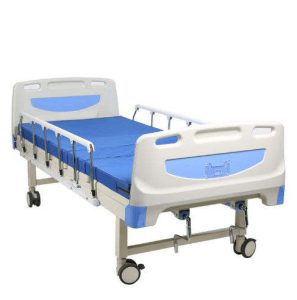
2. Manual Beds vs. Electric Beds
|
Feature
|
Manual Beds
|
Electric Beds
|
|---|---|---|
|
Adjustment Method
|
Hand cranks and levers for head, foot, and height
|
Remote-controlled motorized adjustments for head, foot, and height
|
|
Cost
|
Lower initial cost
|
Higher initial cost
|
|
Ease of Use
|
Requires significant physical effort, especially for height adjustments
|
Very easy to use with the push of a button
|
|
Maintenance
|
Generally lower maintenance due to fewer complex parts
|
More complex, potentially requiring more maintenance, but often come with warranties
|
|
Power Dependency
|
No power source needed
|
Requires a reliable power source; some may have battery backup
|
|
Ideal Use
|
Short-term use, budget-conscious, or when a physically capable caregiver is available
|
Long-term care, limited mobility, or frequent position changes to reduce caregiver strain
|
|
Safety Features
|
Typically have fewer built-in safety features
|
Often include advanced features like lock-out controls, battery backup, and ultra-low height options
|
Understanding the differences between manual and electric beds is crucial when deciding which bed to purchase:
| Feature | Manual Bed | Electric Bed |
|---|---|---|
| Adjustment Method | Cranks or levers | Electric motors controlled via remote |
| Cost | Lower | Higher |
| Maintenance | Minimal | Requires regular motor inspection |
| Power Dependency | None | Requires electricity |
| Ideal Use | Home care, clinics, long-term care | Hospitals, intensive care, patients needing frequent adjustments |
While electric beds provide more convenience with automated adjustments, manual beds remain an effective and affordable choice, especially for home care or budget-conscious facilities.
3. Types of Manual Beds Offered by Henyuan Medical
Types of manual beds
- Manual hospital beds: These are the most common type of manual bed, often featuring hand cranks to adjust the head and foot sections for patient comfort.
- Standard: Basic models for simple resting in hospital wards.
- Adjustable: Use hand cranks to raise and lower the head and foot portions, as well as the overall height of the bed.
- Manual bunk beds: These are a type of manual bed that can be stacked.
- Occupied beds: These are beds that have been made with the patient still in them and not able to get out of bed.
- Closed beds: Beds that are made when they will be empty for a while.
- Open beds: These are made for patients who will be out of bed for a while but need to get into it easily.
- Manual adjustable beds: This category can also include beds that are manually adjustable for specific needs, such as for a user who needs to be able to reposition themselves but does not need frequent adjustments.
Features to consider
- Frame material: Look for durable materials like stainless steel or aluminum.
- Adjustability: Consider the range of backrest and leg elevation to match patient needs.
- Safety: Ensure the bed has secure side rails, especially for elderly or mobility-impaired patients.
Henyuan Medical produces various manual bed models designed to cater to different patient needs. Here are some popular types:
a. Two-Function Manual Bed
-
Adjusts backrest and leg rest independently
-
Equipped with durable cranks for smooth operation
-
Ideal for general patient care and home use
b. Three-Function Manual Bed
-
Adjusts backrest, leg rest, and height
-
Provides more flexibility for patient positioning
-
Commonly used in long-term care and small hospitals
c. Specialty Manual Beds
-
Bariatric beds for heavier patients
-
Low beds for fall prevention
-
Trendelenburg and Reverse Trendelenburg manual beds for therapeutic positioning
All Henyuan manual beds are built with sturdy steel frames, ABS headboards, and easy-to-clean surfaces, ensuring safety, hygiene, and longevity.
4. Technical Specifications
Here is an example of a two-function Henyuan manual bed technical specification table:
| Specification | Details |
|---|---|
| Bed Length | 2100 mm |
| Bed Width | 900 mm |
| Height Range | 400–600 mm |
| Backrest Adjustment | 0°–75° |
| Leg Rest Adjustment | 0°–30° |
| Max Load | 180 kg |
| Wheels | 4 caster wheels with central brake |
| Material | Powder-coated steel frame, ABS headboard |
These specifications demonstrate the durability, flexibility, and safety features that Henyuan Medical integrates into every manual bed model.
5. Benefits of Henyuan Manual Beds
Cost and maintenance
-
Cost-effective:Manual beds are generally less expensive than electric models, making them a budget-friendly choice.
-
Low maintenance:With fewer mechanical and electrical components, they are simpler to maintain and have fewer parts that can malfunction.
Reliability and power independence
-
No power dependency:They can be adjusted and used during power outages, making them a reliable option during emergencies.
-
Simpler mechanism:The simpler, non-electronic mechanism eliminates concerns about electrical issues.
Patient care and comfort
-
Adjustable positioning:Caregivers can manually adjust the backrest and leg rest to help patients find comfortable positions for activities like eating, reading, or resting.
-
Mobility assistance:Adjustments can assist in transferring patients to wheelchairs or other positions to improve circulation.
-
Improved well-being:By providing better positioning and support, manual beds can help improve patient comfort and support the recovery process.
Limitations
-
Requires physical effort:Patients or caregivers must use hand cranks to make adjustments, which requires physical effort.
-
Best for limited needs:They are best suited for patients who have the ability to be moved by a caregiver or have minimal adjustment needs.
-
Cost-Effective Care: Manual beds are more affordable than electric beds, making them ideal for budget-conscious home care and clinics.
-
Low Maintenance: Fewer moving parts and no electrical components reduce repair costs and maintenance efforts.
-
Patient Comfort: Adjustable backrest and leg positions enhance patient comfort during recovery.
-
Reliable Operation: Unlike electric beds, manual beds do not rely on electricity, ensuring continued use during outages.
-
Durability: Sturdy frames and quality materials ensure long-term reliability.
6. Case Studies: Real-Life Applications
Case Study 1: Home Care for Elderly Patients
Mrs. Johnson, an 82-year-old recovering from hip surgery, required a safe, adjustable bed for her home. Henyuan Medical’s two-function manual bed provided the perfect solution, allowing her to adjust the backrest and leg position manually, improving mobility and comfort without high electric bed costs.
Case Study 2: Small Clinic
A small outpatient clinic needed affordable beds for patient observation. The three-function Henyuan manual bed met the needs by offering height adjustment, ensuring staff could care for patients ergonomically while maintaining safety and cost efficiency.
7. Choosing the Right Manual Bed: A Complete Guide
When selecting a manual hospital bed, consider the following:
-
Patient Needs: Assess if the patient requires backrest or leg elevation, or full height adjustment.
-
Space Constraints: Measure room size to ensure bed and wheels fit comfortably.
-
Weight Capacity: Check the maximum patient load; bariatric patients require specialized beds.
-
Safety Features: Ensure the bed has side rails, lockable wheels, and sturdy cranks.
-
Budget: Manual beds are more cost-effective, but compare features to get the best value.
-
Hygiene & Maintenance: Easy-to-clean materials and simple mechanical parts make routine care effortless.
Henyuan Medical provides expert advice and product customization to match every patient’s requirements.
8. Related Keywords Integration
In this guide, we naturally incorporated the following related keywords to maximize SEO reach:
-
Home care beds
-
Electric vs manual hospital beds
-
Long-term care beds
-
Adjustable patient beds
-
Hospital bed features
By embedding these keywords in context, we ensure Google understands the relevance of the content for users searching “what is manual bed” and related queries.
9. Conclusion
Understanding what is a manual bed is essential for anyone looking to provide high-quality, safe, and affordable patient care. Whether for home care, clinics, or long-term care facilities, Henyuan Medical manual beds deliver reliability, comfort, and cost-effectiveness.
From adjustable backrests to durable frames, these beds ensure patient safety and caregiver convenience. By considering patient needs, space, and safety features, you can select the ideal manual bed that supports recovery and comfort efficiently.
10. Call to Action
Explore Henyuan Medical manual beds today to find the right model for your facility or home. Our team provides expert guidance, detailed specifications, and tailored solutions for every patient’s needs.
